The EB-5 conversation usually opens the same way. A family in Taipei or Shenzhen has decided, more or less, that the next generation will study and work in the United States. A friend has done EB-5. A regional center has sent a pitch deck. What does it really take, and how long does it really take?
Here is what we tell them in the first meeting.
What the program actually requires
EB-5 (the fifth employment-based immigrant visa preference) grants conditional permanent residency to a foreign national who invests at least $800,000 in a U.S. business that creates at least ten full-time jobs. After five years, conditions are removed and the green card becomes permanent. The investor’s spouse and unmarried children under twenty-one are included.
The eight-hundred-thousand-dollar floor applies in a targeted employment area, or TEA (rural or high-unemployment). The standard amount, $1,050,000, applies elsewhere. The Reform and Integrity Act of 2022 reset the floors and added new transparency and integrity requirements that changed how regional centers operate.
Source of funds is the heavy work
For most petitioning families, the substantive heart of the petition is not the investment. It is the source-of-funds documentation. USCIS requires the investor to prove, with primary documents in two languages where applicable, the lawful path of every dollar that ultimately reaches the U.S. project.
For a family that has held real estate in Taiwan for three decades, that means deeds, capital improvement records, sale documents, tax returns, and bank statements going back to the original acquisition. For a founder who built and sold a company in Shenzhen, that means employment records, the share-purchase agreement, the wire transfers from the buyer, and the company tax filings. Every gap is a Request for Evidence waiting to happen.
The source-of-funds work usually runs two to four months and pulls in the family’s overseas accountants, prior counsel, and sometimes a forensic translator.
The regional center decision
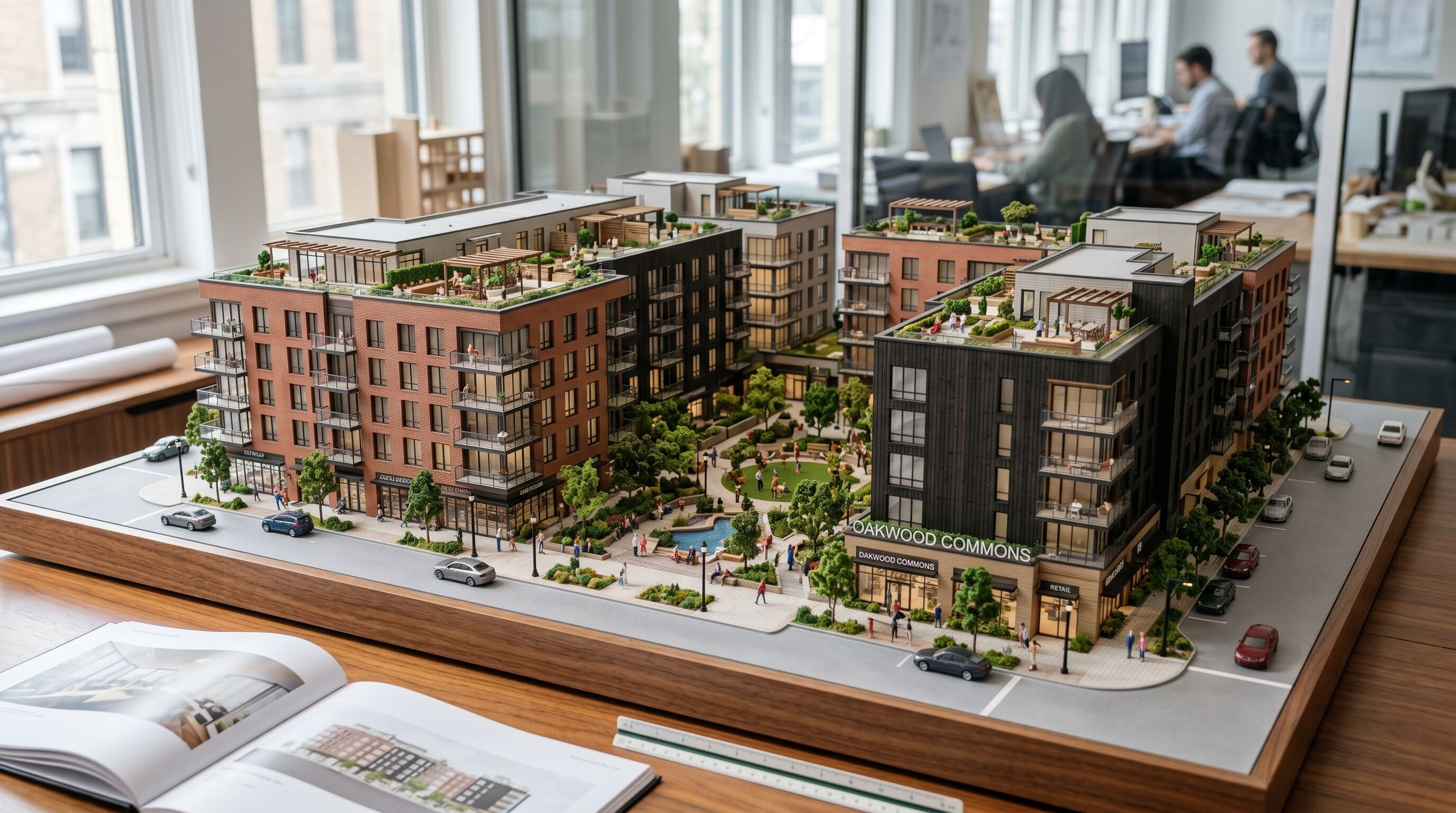
Most EB-5 investors invest through a regional center, a USCIS-designated entity that pools investor capital into a job-creating project. The investor gets indirect job-counting and a more passive role; the regional center handles the project, the reporting, and the I-829 documentation when the time comes.
The regional center decision is the second-most-important one in the petition. We diligence the project, the developer, the offering documents, the TEA designation, and the operating history. RIA’s integrity requirements added meaningful new diligence and reporting standards. They help, but they do not replace investor-side review.
What the timeline actually looks like
From the first family meeting to a green card without conditions runs about four to five years. The working blocks look like this: