Insurance Coverage & D&O
Insurance is the association's backstop when a loss, a lawsuit, or a board decision goes wrong, and it only works if the right policies are in place and the claims are handled correctly. We review association property, liability, and directors-and-officers coverage, tender and pursue claims, and fight the carrier when it denies, delays, or underpays. Our insurance coverage attorneys work for the association and its board, in Bellevue, Seattle, and across the Eastside.
Talk to an attorneyFounded
1965
Attorneys
11
AV-rated
Martindale-Hubbell
Office
Bellevue, WA
Founded
1965
Attorneys
3
AV-rated
Martindale-Hubbell
Office
Bellevue, WA
Association insurance and D&O attorneys for Bellevue and Seattle community associations
Oseran Hahn advises HOA and condominium boards on the insurance Washington requires, the coverage they actually need, and the claims and disputes that follow a loss. WUCIOA requires associations to carry property, commercial general liability, and fidelity insurance, to the extent each is reasonably available, and most boards add directors-and-officers coverage to protect the volunteers who run them. As the association's coverage counsel, we review the policies for the gaps that matter, handle the tender when a claim arises, and pursue the carrier when coverage is wrongly denied. When an insurance dispute turns into litigation, the firm's trial group takes it.
Insurance for a community association is part compliance, part risk management, and part hard negotiation with a carrier after a loss. We confirm the association carries the coverage WUCIOA requires; we sort out the property line between the master policy and the owners' policies; we review the directors-and-officers coverage that protects the board; we handle the tender and documentation when a claim arises; and we pursue the carrier when it denies, delays, or underpays.
The insurance WUCIOA requires
WUCIOA does not leave insurance to the board's discretion. To the extent it is reasonably available, the association must carry property insurance on the common elements, commercial general liability insurance, and fidelity insurance against theft by those who handle the money, plus any other insurance the declaration requires (RCW 64.90.470). If required coverage is not reasonably available, the association must promptly tell the owners. Directors-and-officers insurance is not on the required list, but the statute lets the association carry it (RCW 64.90.405), and most boards do. A board that lets required coverage lapse leaves the association exposed to the loss and has likely fallen short of the standard of care the directors owe (RCW 64.90.410). We confirm the association carries what the statute and prudence require.
Property coverage and the unit line
In a condominium, the most common insurance fight is between the association and an owner over who covers what. Where units share walls, floors, or ceilings, WUCIOA requires the association's master policy, to the extent reasonably available, to include the units and, unless the declaration says otherwise, the improvements and betterments owners have added (RCW 64.90.470). Owners' policies pick up contents and whatever the declaration leaves to them, and where both policies cover the same risk, the association's policy is primary. How a deductible is shared after a loss depends on the statute, the declaration, and the policies, and it is a frequent source of dispute. We map that line before a loss and resolve the allocation after one, so a burst pipe does not become a second fight over who pays the deductible.
Directors and officers coverage
Volunteer board members worry about being sued personally. Directors-and-officers insurance is the coverage that answers that worry, and WUCIOA expressly lets the association carry it (RCW 64.90.405). The protection is only as good as the policy, though, and the gaps matter: whether defense costs are covered, whether prior acts are included, and how broadly the policy excludes breach-of-contract or discrimination claims. D&O works alongside the statute that shields nonprofit directors and officers from personal liability for discretionary decisions short of gross negligence (RCW 4.24.264), and the association's indemnification. We review the D&O policy for the exclusions that would leave a director exposed.
Claims handling and tendering a loss
When a loss or a claim arrives, how the association tenders it often decides whether it is covered. We tender property, liability, and D&O claims to the right carrier promptly, document the loss the way the policy requires, and meet the notice conditions that an insurer will use to deny a late or incomplete claim. Defect and governance matters frequently implicate more than one policy at once, and coordinating the tenders, rather than letting carriers point at each other, is what gets the association defended and paid. We manage the claim from first notice.
Coverage disputes
Carriers deny, delay, and underpay, and Washington gives policyholders real leverage when they do. Beyond the contract claim, an insurer that mishandles a claim can face bad-faith liability, exposure under the Insurance Fair Conduct Act (RCW 48.30.015), and the Olympic Steamship doctrine, which lets a policyholder recover attorney fees when it has to sue to obtain coverage it was owed. We pursue those remedies for associations, and the firm's insurance-dispute and trial groups handle the litigation when a carrier will not pay what the policy promised.
Two decades advising Eastside associations on insurance and pursuing the carriers who don't pay, with attorneys who know the WUCIOA requirements, the D&O gaps that leave a board exposed, and the policyholder tools Washington provides. We get the coverage right before a loss and fight for it after one.
We read the policy before the loss.
Most coverage problems are written into the policy long before the claim. We review the association's property, liability, and D&O coverage for the gaps and exclusions that matter, so the board isn't surprised when it tenders a claim.
We protect the volunteers.
Directors shouldn't risk their own assets to serve on a board. We make sure the D&O coverage, the statutory immunity, and the indemnification actually fit together to protect them.
We fight the carrier.
When an insurer denies, delays, or underpays, Washington gives policyholders strong tools. We use them, and the firm's trial group sues the carrier when that's what it takes to get the association paid.
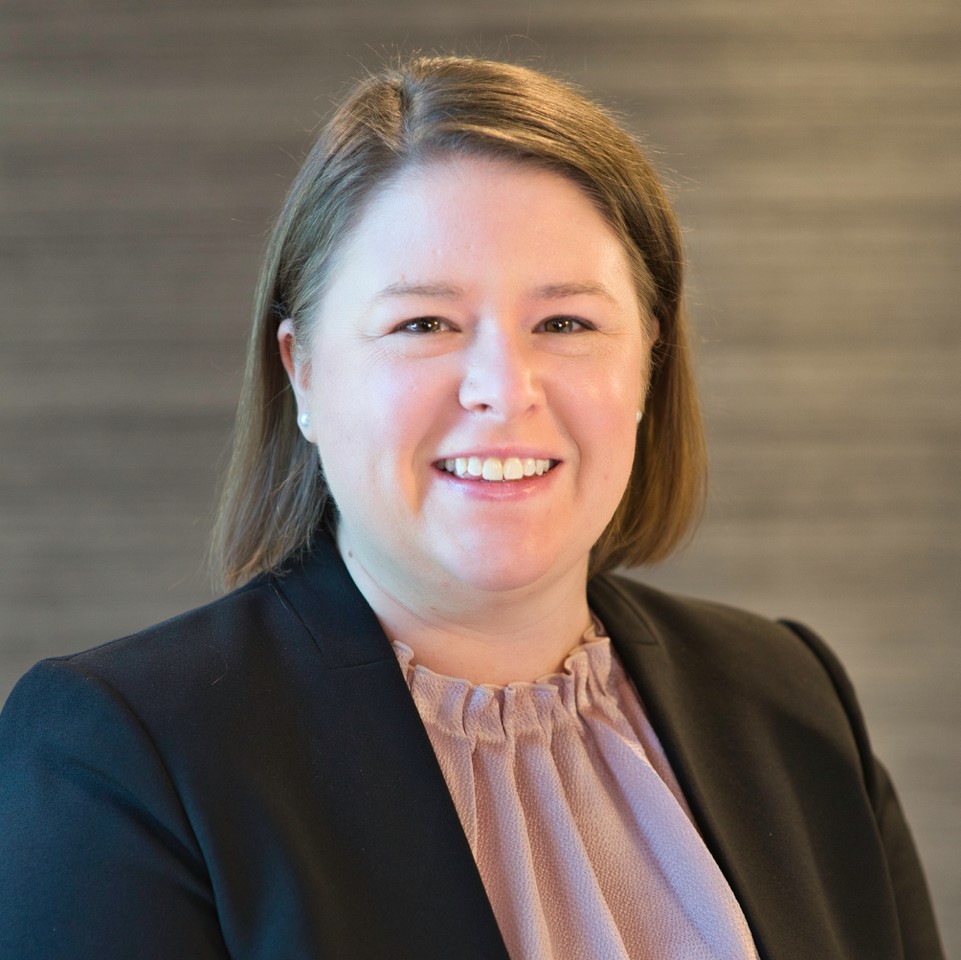
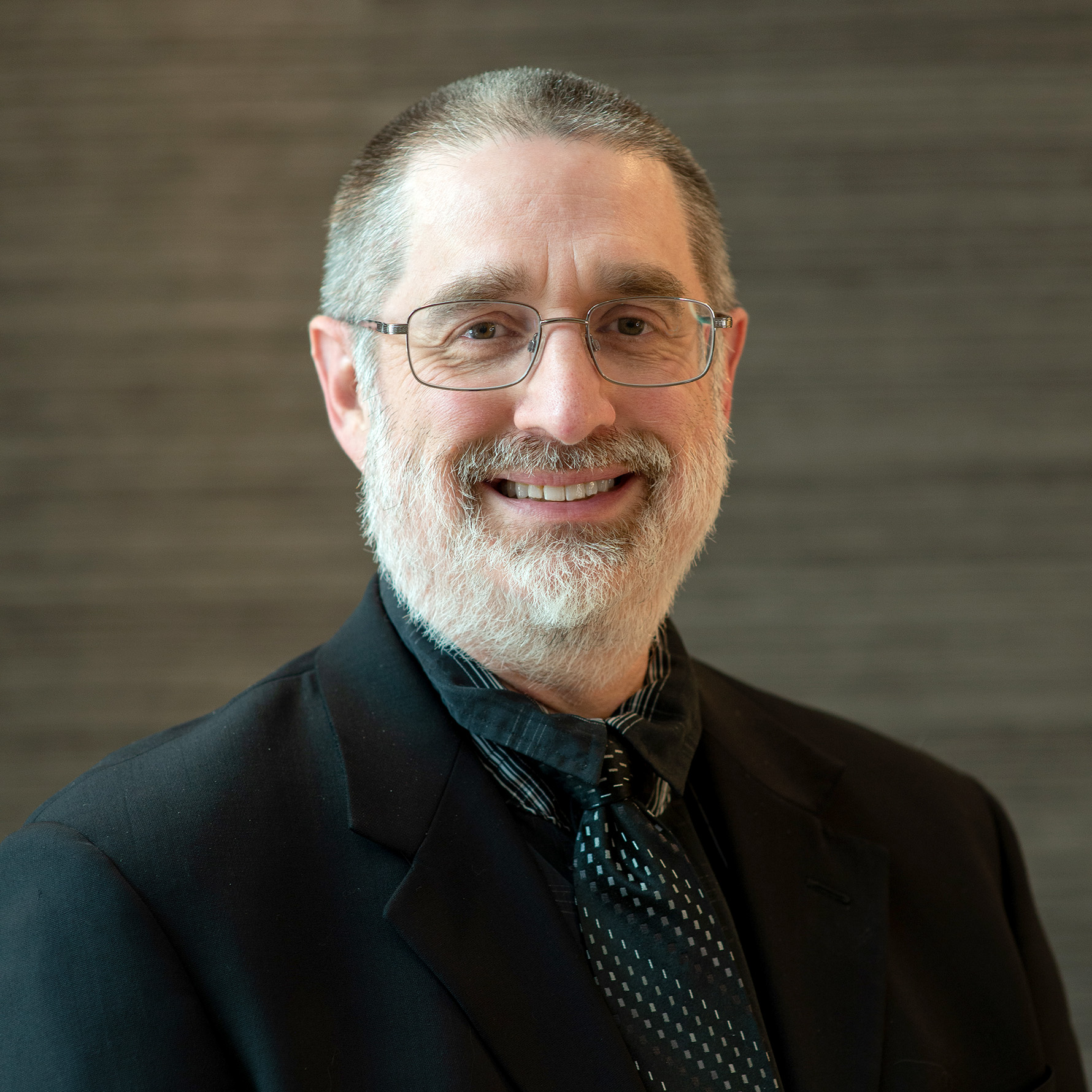
The attorneys behindthe work.
Our business and corporate attorneys handle this work alongside our litigation team, so you have coverage whether your matter stays transactional or becomes something more.

What clientsask us first.
What insurance does our association have to carry?
At a minimum, WUCIOA requires property insurance on the common elements, commercial general liability coverage, and fidelity insurance, to the extent each is reasonably available, plus anything your declaration adds (RCW 64.90.470). If required coverage is not reasonably available, the association must promptly tell the owners. Most associations also carry directors-and-officers insurance. A board that lets required coverage lapse risks both the uninsured loss and a breach-of-duty claim. We confirm your coverage meets the statute and your real risk.
A pipe burst and flooded a unit. Does the association's policy or the owner's pay?
It depends on where the loss falls between the master policy and the owner's policy. In a building where units share walls, floors, or ceilings, WUCIOA requires the association's policy, to the extent reasonably available, to include the units and, unless the declaration says otherwise, owners' improvements and betterments (RCW 64.90.470). The owner's policy covers contents and whatever the declaration leaves to the owner, and how the deductible is shared depends on the statute, the declaration, and the policies. We map that line and resolve the deductible allocation so the loss doesn't become a second dispute.
Are our volunteer board members protected if they get sued?
Usually, through a combination of directors-and-officers insurance, the statute that shields nonprofit directors and officers from personal liability for discretionary decisions short of gross negligence (RCW 4.24.264), and the association's indemnification. But the protection is only as good as the D&O policy, and gaps in defense-cost or prior-acts coverage can leave a director exposed. We review the policy so the board knows where it actually stands.
We had a loss. What's the first thing we should do?
Tender the claim to the right carrier promptly and document the loss the way the policy requires, because a late or incomplete notice is the first thing an insurer uses to deny. Where a defect or governance matter implicates more than one policy, the tenders have to be coordinated. We handle the claim from first notice so a covered loss actually gets paid.
Our carrier denied a claim we think is covered. Do we have any recourse?
Often, yes. Beyond the coverage contract, Washington lets policyholders pursue bad-faith claims, remedies under the Insurance Fair Conduct Act (RCW 48.30.015), and attorney fees under the Olympic Steamship doctrine when they have to sue to get coverage they were owed. We assess the denial and pursue those remedies, with the firm's trial group handling the litigation.
When should an HOA hire an insurance coverage attorney?
When you're renewing or buying coverage and want the policies reviewed, when a loss or claim arises and has to be tendered, and the moment a carrier denies or underpays. Reviewing coverage before a loss and handling the tender correctly are what determine whether the policy pays when you need it.

Policy review, D&O coverage, claims handling, and coverage-dispute litigation for Washington community associations. Our HOA insurance coverage attorneys work from our Bellevue office.
Oseran Hahn P.S. · 11225 SE 6th St, Suite 100 · Bellevue, WA 98004
This content is provided for general informational purposes only and does not constitute legal advice. Viewing this page does not create an attorney-client relationship.