Nonprofit Legal Services
A nonprofit runs on its mission, but it's still a corporation with contracts, employees, a board, and a regulator, and the legal work doesn't pause for the cause. Our nonprofit lawyers serve as outside general counsel to organizations in Bellevue, Seattle, and across the Pacific Northwest, handling the steady legal stream so the organization can stay focused on what it's there to do.
Talk to an attorneyFounded
1965
Attorneys
11
AV-rated
Martindale-Hubbell
Office
Bellevue, WA
Founded
1965
Attorneys
2
AV-rated
Martindale-Hubbell
Office
Bellevue, WA
Nonprofit attorneys for Bellevue and Seattle nonprofits
Oseran Hahn is outside general counsel to nonprofit and mission-driven organizations: foundations, social-service agencies, schools, associations, and faith-based nonprofits. A nonprofit carries every legal need a business does, formation, contracts, employees, leases, and disputes, plus a layer of tax-exempt and charitable rules that a company never sees. We handle the day-to-day so the staff and board don't have to, set the organization up correctly from the start, and bring in the right specialist when a matter crosses into tax-exempt status, governance, or litigation. The goal is to keep the legal layer thin and the mission in front.
Nonprofit work is broad because a nonprofit needs almost everything a company needs and several things it doesn't. We form the organization and get it recognized as tax-exempt; we handle the contracts, leases, and grant agreements that run through it; we manage the employment and volunteer questions every nonprofit faces; we keep it compliant with the state and the IRS; and we step in when a board, member, employment, or contract dispute threatens the mission. Tax-exempt status and board governance run deep enough to be their own work, and we handle those alongside this.
Formation and tax-exempt recognition
Getting a nonprofit organized correctly at the start prevents most of the problems that surface later. We incorporate the organization under Washington's Nonprofit Corporation Act, RCW 24.03A, draft bylaws that fit how it will actually be governed, and prepare the application for federal tax-exempt status under Internal Revenue Code section 501(c)(3), including whether it will be classified as a public charity or a private foundation. The structure decided here shapes the organization's taxes, its fundraising, and its board for years, so it's worth getting right the first time.
Contracts and the day-to-day
A working nonprofit generates a steady stream of agreements: office and program leases, vendor and service contracts, grant agreements with funders, fiscal-sponsorship arrangements, partnership MOUs, and intellectual-property and licensing questions around its name and materials. We handle that flow the way an in-house lawyer would, reviewing and drafting the agreements a nonprofit signs and flagging the terms, indemnities, restricted-gift conditions, and reverter clauses that can bind the organization in ways the board didn't intend.
Employment, volunteers, and the workforce
Nonprofits are employers, and Washington's employment laws apply to them in full: the Minimum Wage Act, RCW 49.46, the Law Against Discrimination, RCW 49.60, and the wage-payment rules, among others. Mission doesn't create an exemption. We advise on hiring, classification, handbooks, and departures, and on the issues unique to the sector, properly handling volunteers and unpaid interns, and the limit RCW 4.24.264 places on a nonprofit director's or officer's personal liability for discretionary decisions. Getting the workforce questions right keeps an employment problem from consuming a small organization.
Staying compliant with the state and the IRS
A nonprofit answers to more regulators than most businesses. It files an annual report with the Secretary of State, registers and renews under Washington's Charitable Solicitations Act, RCW 19.09, before it solicits donations, and files an annual Form 990 with the IRS under Internal Revenue Code section 6033, where missing three years in a row triggers automatic loss of exemption. We keep the calendar and the filings in order, because for a nonprofit, a lapse in compliance is a threat to the exempt status the whole organization depends on. Our charitable and tax-exempt work covers the tax side in depth.
When disputes and problems arise
Even a well-run nonprofit hits conflict: a board or member dispute, a departing employee, a funder or vendor disagreement, or a question from the Attorney General, who oversees charitable assets in Washington. We handle these early and quietly where we can, advising the board on its options and its fiduciary footing, and we bring in the firm's litigation group when a matter has to be defended. Resolving a dispute before it becomes public is almost always better for an organization that runs on its reputation.
Sixty years advising Pacific Northwest mission-driven organizations and faith communities, across both Christian and Jewish traditions. We keep the legal layer thin so leaders can lead, whether the organization is a secular charity, a foundation, or a faith-based nonprofit.
Decades with faith communities.
We've represented churches, synagogues, parachurch ministries, and religious orders for decades, across traditions. The work is familiar, from formation to succession, so you're not paying us to learn it.
We work like your in-house lawyer.
Most of what a nonprofit needs is ordinary, steady legal work: a lease, a grant agreement, a hiring question. We handle that flow the way an in-house lawyer would, so the board can stay focused on the mission.
We translate, so leaders can lead.
Ministry and board leaders shouldn't have to become lawyers. We keep the legal layer thin and the language plain, and we tell you when a matter is routine and when it genuinely needs attention.
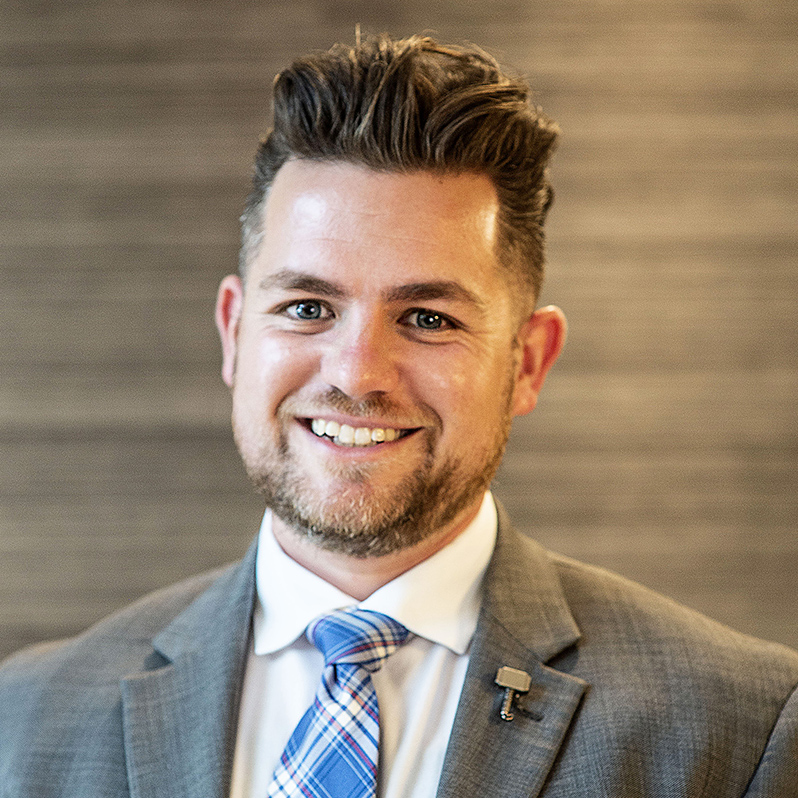
The attorneys behindthe work.
Our business and corporate attorneys handle this work alongside our litigation team, so you have coverage whether your matter stays transactional or becomes something more.


What clientsask us first.
Do we need a lawyer to start a nonprofit?
Not strictly, but the choices made at formation, the entity, the bylaws, the tax-exempt application, and the public-charity-versus-private-foundation classification, follow the organization for years and are expensive to unwind. We set the nonprofit up correctly under RCW 24.03A and IRC 501(c)(3) so the structure fits the mission and the board, rather than discovering a problem at the first audit or grant application.
Are nonprofits exempt from employment laws because we're mission-driven?
No. Washington's employment laws, including the Minimum Wage Act (RCW 49.46) and the Law Against Discrimination (RCW 49.60), apply to nonprofits the same as to any employer. Being mission-driven doesn't create an exemption, and a wage or discrimination problem can be just as costly for a nonprofit. We help nonprofits handle hiring, classification, volunteers, and departures so an employment issue doesn't drain the organization.
What ongoing filings does a nonprofit have to make?
Several. A nonprofit files an annual report with the Secretary of State, registers and renews under the Charitable Solicitations Act (RCW 19.09) before soliciting donations, and files a Form 990 with the IRS each year (IRC 6033). Missing the 990 three years running causes automatic loss of tax-exempt status. We keep these filings on a calendar so a missed deadline never puts the exemption at risk.
What does a nonprofit lawyer do?
A nonprofit lawyer handles the legal side of running a nonprofit: forming it, keeping it compliant with the state and the IRS, reviewing its contracts, advising on staff and volunteers, and handling disputes. For many organizations, that looks like outside general counsel, one firm handling the steady stream of questions, with deeper help on tax-exempt status, board governance, or litigation when a matter calls for it. Board liability is part of the picture too. Under RCW 4.24.264, a nonprofit's directors and officers aren't personally liable for discretionary decisions made in that role unless the decision is grossly negligent, and that limit doesn't change the duties they owe the organization itself.
What kinds of nonprofits do you represent?
A broad range: private foundations, social-service and community organizations, schools, trade and professional associations, and faith-based nonprofits. Oseran Hahn has represented Christian and Jewish organizations for decades, so a synagogue's nonprofit affiliate or a faith-based school gets the same familiarity as a secular charity. If your organization is mission-driven and tax-exempt, it's the kind of client we serve.
Recentarticles.
Tell us about your organization and what's on your plate. An attorney from our nonprofit and church practice will follow up within one business day.
Oseran Hahn P.S. · 11225 SE 6th St, Suite 100 · Bellevue, WA 98004
This content is provided for general informational purposes only and does not constitute legal advice. Viewing this page does not create an attorney-client relationship.