EB-5 Investor Visa
An EB-5 investor visa is a path to a U.S. green card through investment, but the visa turns on documentation: where the money came from, how it was earned, and how it created jobs. We guide foreign families through EB-5, from source-of-funds planning to the removal of conditions.
Talk to an attorneyFounded
1965
Attorneys
11
AV-rated
Martindale-Hubbell
Office
Bellevue, WA
Founded
1965
Attorneys
4
AV-rated
Martindale-Hubbell
Office
Bellevue, WA
EB-5 investor visa attorneys for Bellevue and Seattle foreign investors
Oseran Hahn represents foreign investors and their families through the EB-5 immigrant investor program, from the first source-of-funds analysis to the petition that makes residence permanent. We help clients choose between a direct investment and a regional center, document the lawful source and path of the invested capital, file the I-526E petition, and handle consular processing or adjustment of status. Most of our EB-5 clients come from China, Taiwan, Hong Kong, Korea, and Japan, and many are already planning a U.S. business, a real estate purchase, or a generational move alongside the visa.
An EB-5 case is really a documentation project with a green card at the end, and the investment is the easy part. We help the family decide between a direct investment and a regional center and confirm the capital meets the current threshold; we build the source-of-funds record that traces every dollar to a lawful origin; we prepare and file the I-526E petition with its job-creation evidence; we handle consular processing or adjustment to conditional residence; and we remove the conditions years later with the I-829 petition.
Choosing the path and meeting the investment amount
EB-5 is the fifth employment-based immigrant preference under INA §203(b)(5) (8 U.S.C. §1153(b)(5)), and the EB-5 Reform and Integrity Act of 2022 reset the core numbers. An investor must place at least $1,050,000 of capital at risk in a new commercial enterprise, or $800,000 if the project sits in a targeted employment area (a rural area or one of high unemployment) or qualifies as an infrastructure project. The first decision is structural: a direct investment the family controls, or a passive investment through a USCIS-designated regional center. We walk through the trade-offs, confirm the enterprise and the amount qualify, and set the case up before any money moves. For the regional-center route and its separate compliance burden, see EB-5 Regional Center Compliance.
Documenting the lawful source of funds
The source-of-funds record is where most EB-5 petitions are won or lost. USCIS requires the investor to prove, by a preponderance of the evidence, that the entire investment and the funds used to pay administrative fees came from a lawful source and reached the enterprise through a lawful path (8 CFR §204.6). For families from China, Taiwan, and elsewhere in Asia, that often means tracing capital across gifts, property sales, business earnings, and currency-transfer rules. We build the documentary chain (tax records, bank statements, sale contracts, corporate books) and present it in the narrative USCIS expects, so the petition does not stall on a request for evidence.
The I-526E petition and the jobs requirement
The case formally begins with Form I-526E, the immigrant petition for a regional-center investor, or Form I-526 for a direct, standalone investment. The petition must show the capital is invested or actively in the process of being invested and that it will create at least ten full-time jobs for qualifying U.S. workers. The Reform and Integrity Act also created set-aside visa categories, reserved for rural, high-unemployment, and infrastructure projects, that can carry shorter waits for investors who qualify. We prepare the petition, assemble the business plan and job-creation evidence, and position the filing in the category that serves the family best.
Conditional residence: consular processing or adjustment
Once the petition is approved and a visa number is available, the investor and qualifying family members become conditional permanent residents for two years under INA §216A (8 U.S.C. §1186b). Investors abroad complete consular processing through a U.S. embassy with Form DS-260; those lawfully in the United States may file Form I-485 to adjust status, and the Reform and Integrity Act now allows eligible investors to file the I-526E and I-485 concurrently. Because China-born investors can face a visa backlog from per-country limits, we plan the timing around priority dates so children do not age out and the family is not caught waiting.
Removing conditions and the path to citizenship
Conditional residence is not the finish line. Within the 90 days before the two-year card expires, the investor files Form I-829 to remove the conditions, proving the capital stayed at risk for the required period and that the ten jobs were created or will be within a reasonable time. Approval converts the family to lawful permanent residents without the condition, which starts the clock toward naturalization. We track the I-829 deadline from the start, keep the investment and job evidence current throughout, and carry the case through to the permanent green card.
More than forty years representing families and family offices from across Asia as they invest in the Pacific Northwest. The visa is rarely the only thing happening, and we coordinate it with the tax structure, the purchase, and the years that follow.
One firm for the whole transaction.
An EB-5 investment usually arrives with a tax question, a real estate closing, or a new U.S. company. We handle those under one roof, so the visa strategy and the deal do not work against each other.
We sit on the family's side.
Many of our clients are family offices and multi-generational families. We represent the family, not a project promoter, and we tell you plainly when a regional-center deal does not hold up.
Built for the documentation.
EB-5 turns on a source-of-funds record that satisfies USCIS the first time. We build that record patiently and in the form the agency expects, which is what keeps a case from stalling.
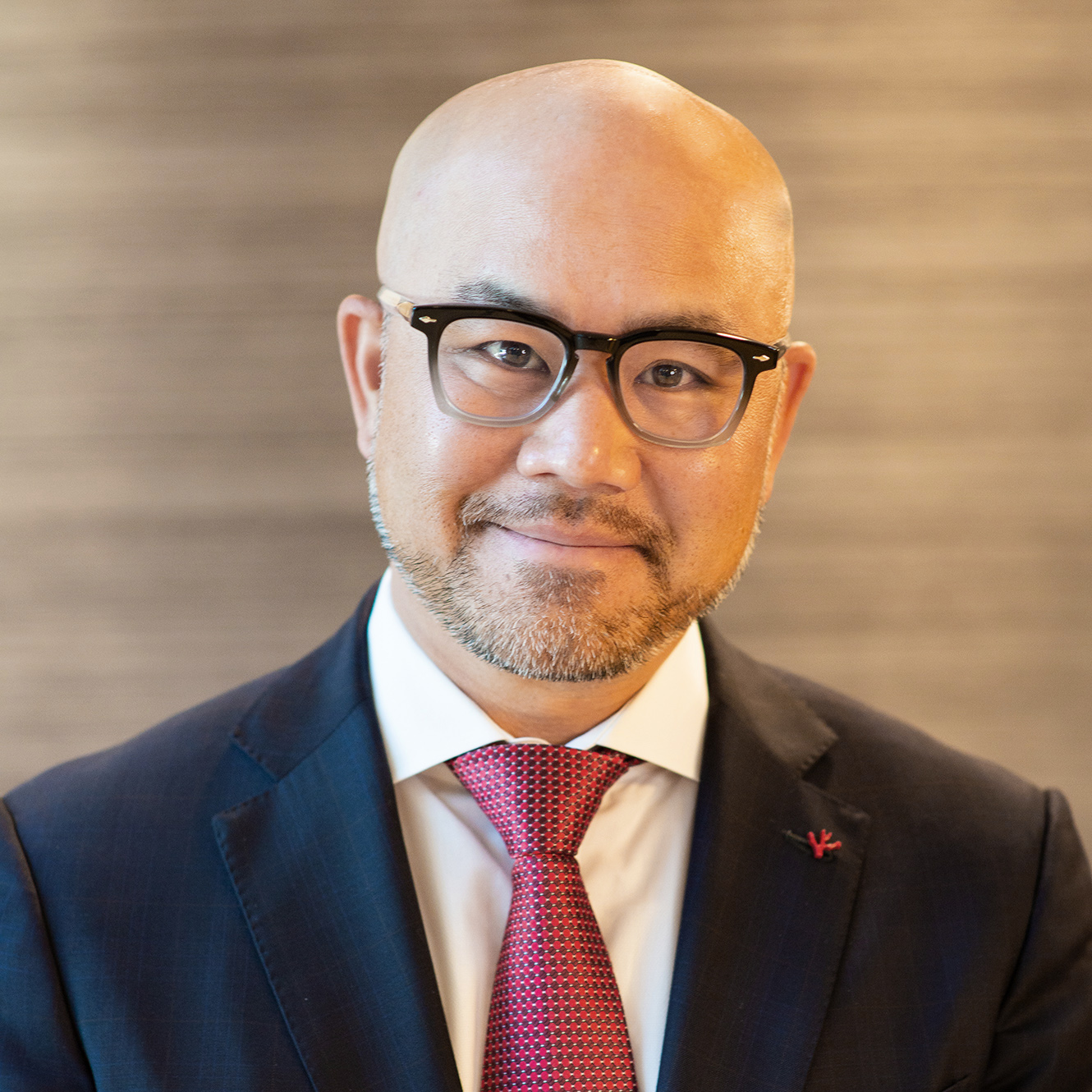
The attorneys behindthe work.
Our business and corporate attorneys handle this work alongside our litigation team, so you have coverage whether your matter stays transactional or becomes something more.



What clientsask us first.
How long does the EB-5 process take?
It varies widely. I-526E adjudication can run a year or more, and investors born in China or other backlogged countries may wait additional years for a visa number because of per-country limits. From petition to the permanent green card after the I-829, the full path often spans several years. We map a realistic timeline at the start.
Do you handle the source-of-funds documentation yourself?
Yes. The source-of-funds record is the core of the case, and we build it with the family rather than hand it off. We assemble the tax, banking, sale, and corporate records and present the lawful-source narrative USCIS expects, coordinating with advisors in the investor's home country where needed.
Can you represent both us and the regional center?
No. We represent the investor and the family, not the project or its promoter. That separation matters: it lets us evaluate a regional-center offering critically and advise you on its risks. Our engagement letter sets this out clearly before any work begins.
Do you work with families who are still abroad?
Yes. Most of our EB-5 clients begin the process from China, Taiwan, Hong Kong, Korea, or Japan, well before anyone relocates. We handle consular processing through the U.S. embassy and coordinate across time zones and home-country advisors throughout the case.
What happens if USCIS questions or denies the petition?
We respond. Many EB-5 cases draw a request for evidence, usually about source of funds or job creation, and a strong, timely response resolves most of them. If a petition is denied, we assess a motion to reopen, an appeal, or a refiled case, and tell you honestly which has a real chance.
Recentarticles.


Tell us where the family is and what the investment looks like, even if it is still early. A foreign investment attorney will follow up within one business day, and the first conversation is confidential.
Oseran Hahn P.S. · 11225 SE 6th St, Suite 100 · Bellevue, WA 98004
This content is provided for general informational purposes only and does not constitute legal advice. Viewing this page does not create an attorney-client relationship.