Inheritance Disputes
When a will is valid but the family still can't agree on what it means or who gets what, the fight is an inheritance dispute. We represent beneficiaries and heirs in Pacific Northwest estate and trust disputes, and we work to resolve them without burning down the estate or the family. Our inheritance lawyers take these cases for clients in Bellevue, Seattle, and across King County.
Talk to an attorneyFounded
1965
Attorneys
11
AV-rated
Martindale-Hubbell
Office
Bellevue, WA
Founded
1965
Attorneys
3
AV-rated
Martindale-Hubbell
Office
Bellevue, WA
Inheritance dispute lawyers for Bellevue and Seattle families
Oseran Hahn represents heirs and beneficiaries in inheritance disputes, the conflicts that arise after someone dies even when the will itself isn't in question. Maybe the document is ambiguous, maybe a promised asset has gone missing, maybe there's no will at all and the family disagrees about who inherits, or a spouse or child left out of an old will has a claim. These disputes are as much about relationships as about money, and Washington's TEDRA framework gives us real tools to resolve them. We protect your share, and we push hard for a settlement before a courtroom does lasting damage.
An inheritance dispute is a fight over what an estate or trust means and who is entitled to what, separate from whether the will is valid. We resolve questions of how a will or trust should be interpreted. We handle disagreements over distributions and specific gifts. We sort out who inherits when there is no will. We pursue claims for spouses and children an old will left out. And we drive most of these disputes to resolution through TEDRA mediation and settlement, because a negotiated outcome almost always beats a trial.
Interpreting an ambiguous will or trust
Many disputes turn not on whether a document is valid but on what it means. A will or trust can be ambiguous, internally contradictory, or silent on something that later matters, and reasonable people read it differently. Washington's Trust and Estate Dispute Resolution Act (RCW 11.96A) lets interested parties ask the court to construe the document and give binding instructions, and the Trust Act allows a trust to be reformed or modified to correct a mistake or carry out the maker's true intent (RCW 11.103). We make the case for the reading that reflects what your loved one actually meant, using the document, the circumstances, and the drafting history.
Disagreements over distributions and specific gifts
Even a clear will can produce a fight over the details. A specific gift may no longer exist at death (ademption), an estate may be too small to satisfy every bequest, so gifts have to be reduced in a set order (abatement under RCW 11.10), or a lifetime gift may need to be counted against an heir's share (advancement). And some of the hardest disputes are over tangible personal property, the cabin, the ring, the things that carry more meaning than money. We resolve these by valuation, by equalizing where the documents allow, and by negotiating distributions that the family can actually live with.
Inheritance when there is no will
When someone dies without a will, or a will doesn't dispose of everything, Washington's intestate succession statute decides who inherits and in what shares (RCW 11.04.015), and that's where heirs often disagree. The surviving spouse's share depends on whether property is community or separate; children, parents, and more distant relatives take in a fixed order; and half-blood relatives inherit on specific terms (RCW 11.04.035). Questions of parentage, nonmarital children, and who qualifies as an heir at all can require a formal determination. We represent heirs in sorting out these shares and in the proceedings that establish who is entitled to inherit.
Spouses and children an old will left out
Wills don't always keep up with life. If someone marries after signing a will and never updates it, the new spouse may be an omitted spouse entitled to a share as if there were no will (RCW 11.12.095), unless the omission was clearly intentional. The same protection runs to a child born or adopted after the will was signed, an omitted or pretermitted child (RCW 11.12.091). These claims come up most often in second marriages and later-life families, and they can substantially change who receives what. We bring them for the overlooked, and we defend against them when the omission truly was the testator's choice.
Resolving the dispute through TEDRA
Almost every inheritance dispute can be resolved without a trial, and Washington gives families a strong framework for it. The Trust and Estate Dispute Resolution Act (RCW 11.96A) grants the court broad authority over these matters, provides a mediation and arbitration track, and lets the interested parties sign a binding nonjudicial settlement agreement (RCW 11.96A.220) that resolves the dispute privately and binds everyone, including, through virtual representation, beneficiaries who are minors or not yet born. We prepare each dispute thoroughly so the other side takes settlement seriously, then use TEDRA to land an outcome that protects your interest and keeps the estate intact.
Sixty years of Pacific Northwest estate work, and a clear-eyed view of what a drawn-out inheritance fight costs, in money and in family. We know Washington's TEDRA process inside out, and we use it to protect what's yours while resolving the dispute before it does damage that no settlement can undo.
We know what these fights really cost.
Litigated estate disputes drain the very assets people are fighting over and can fracture a family for good. We weigh every move against that cost and steer toward resolutions that leave more for everyone.
TEDRA is our home court.
Washington's estate-dispute statute offers mediation, binding settlements, and broad court authority. We use it fluently to resolve disputes privately and finally, without the expense and exposure of a public trial.
We protect your share and the relationships.
Most clients want what they're owed and want to still have a family afterward. We pursue both, pressing your claim firmly while leaving room for the dispute to end without a permanent rift.
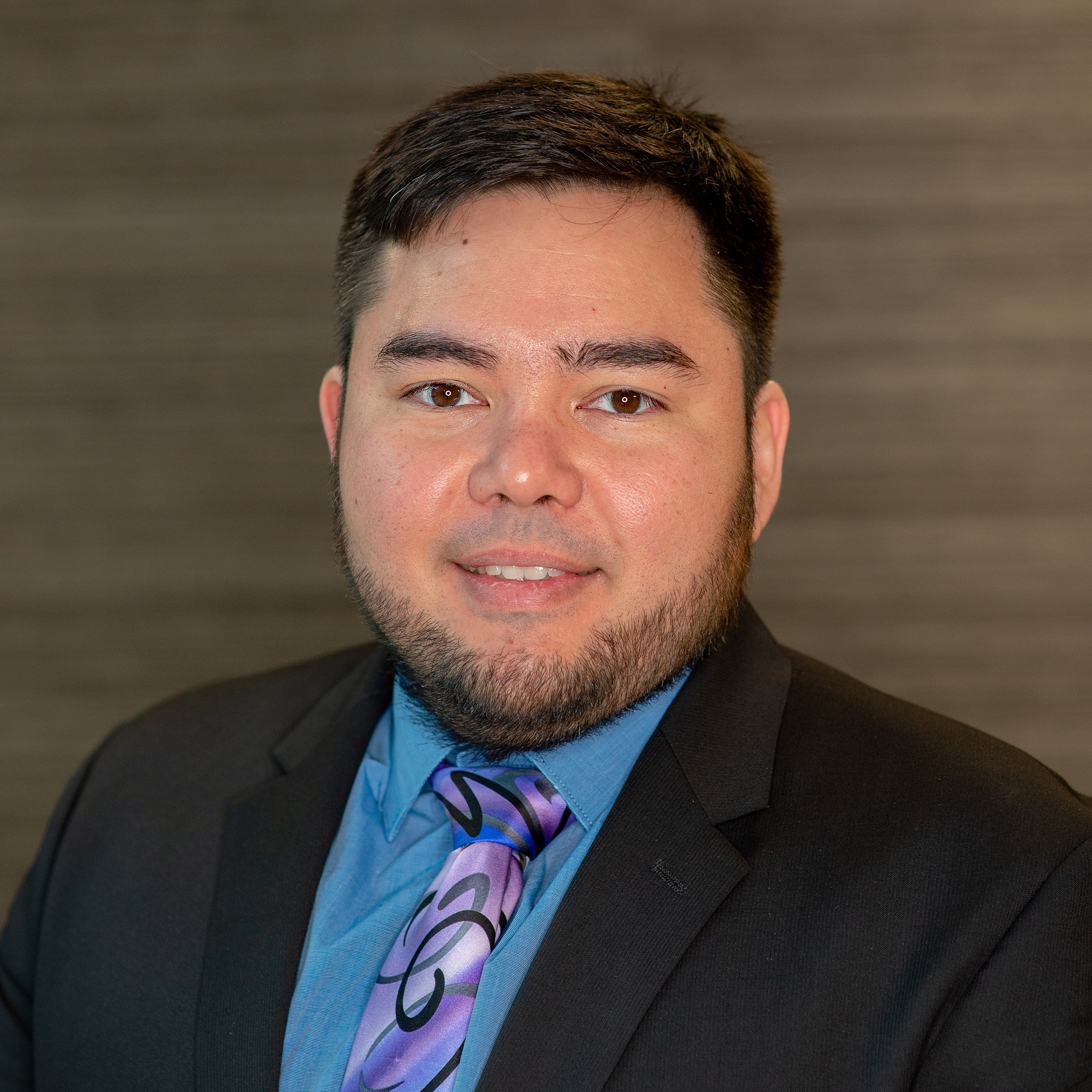
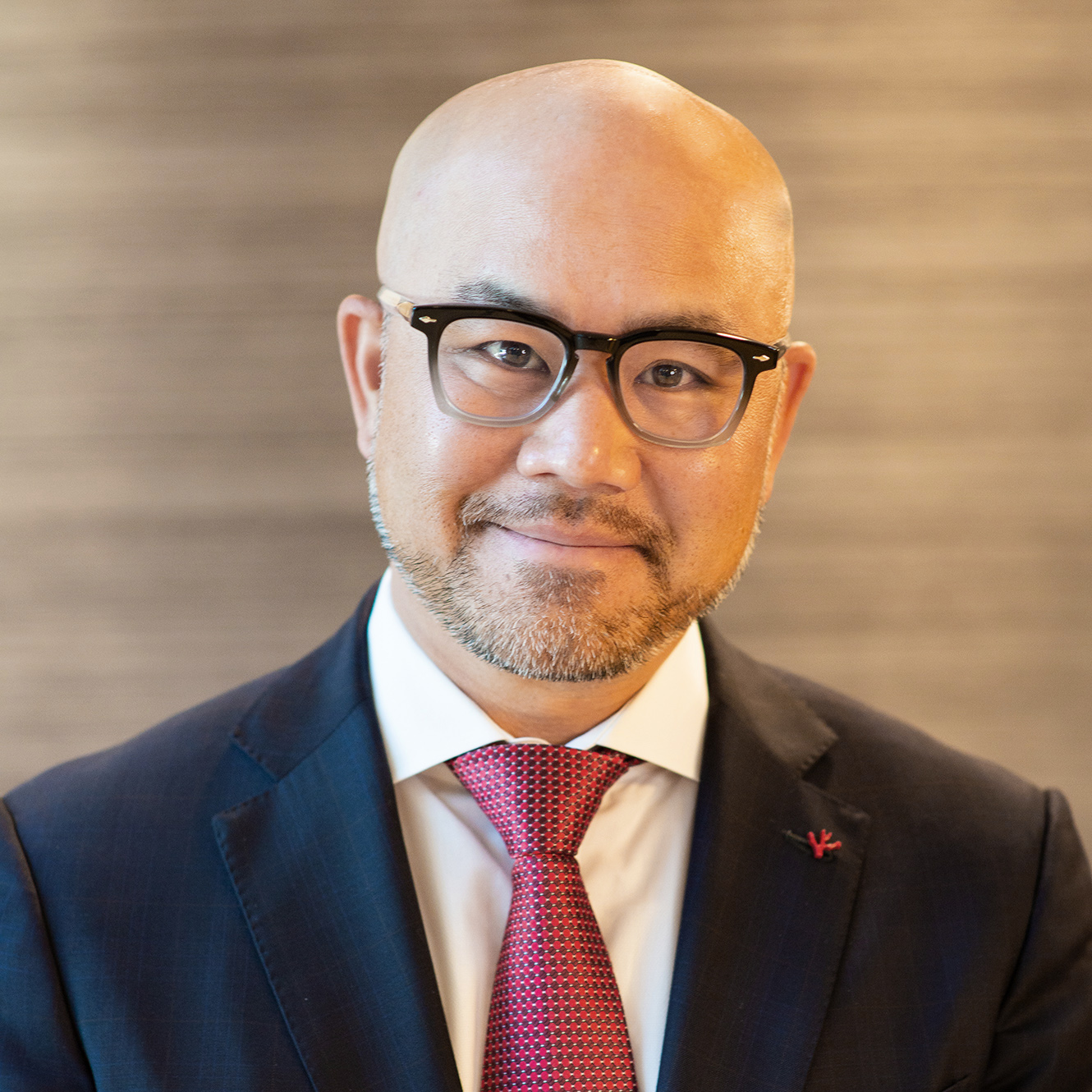
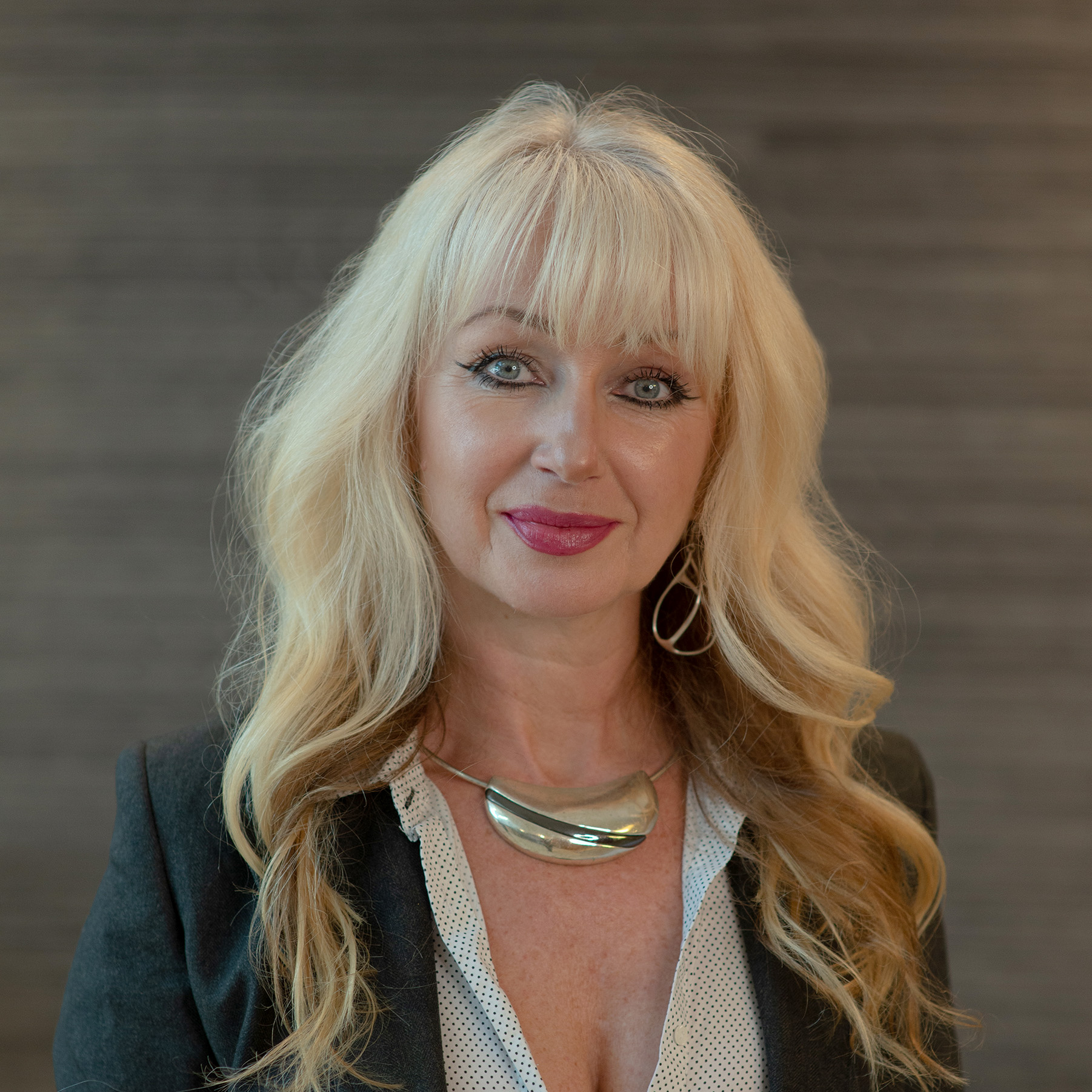
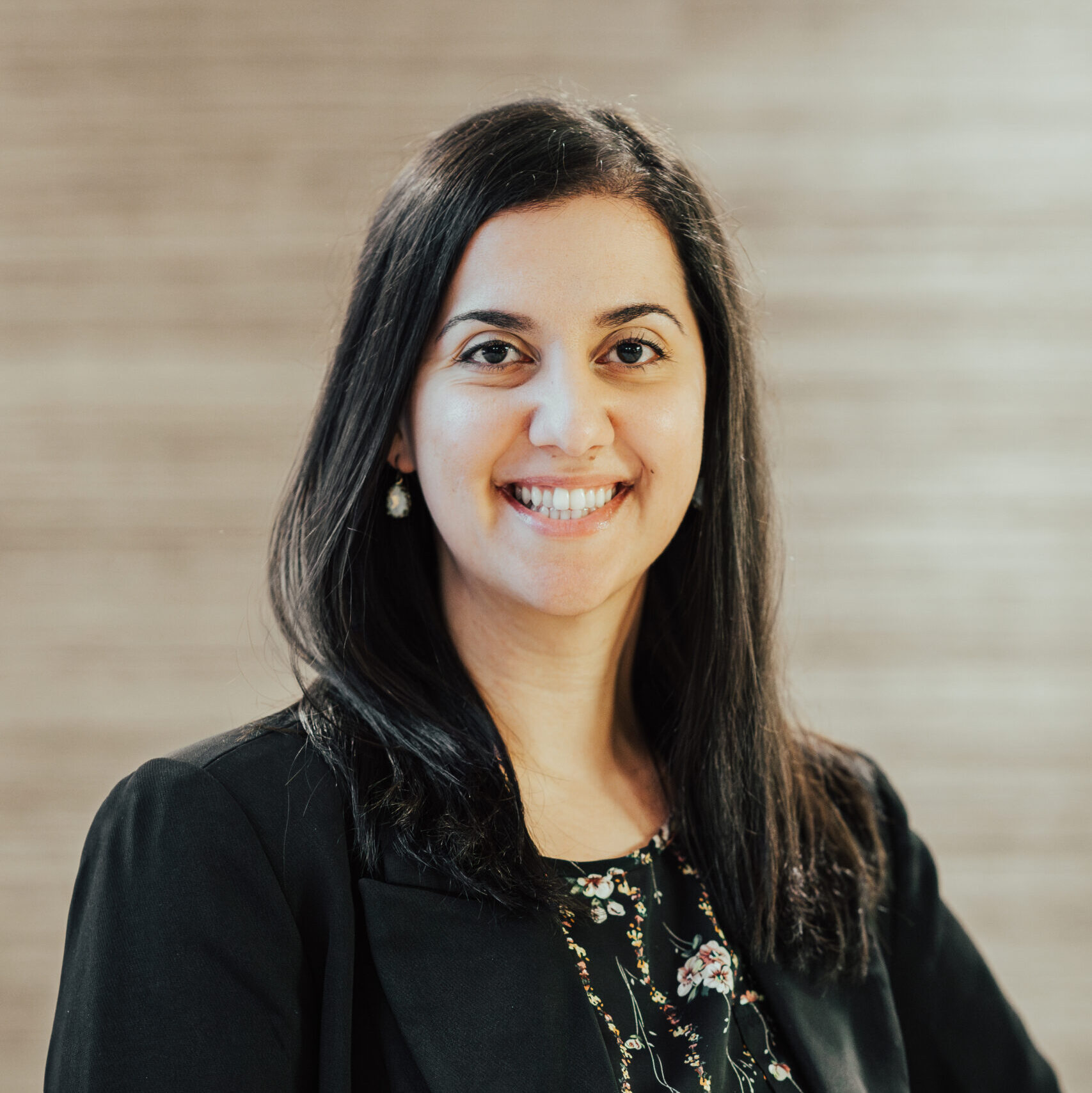
The attorneys behindthe work.
Our business and corporate attorneys handle this work alongside our litigation team, so you have coverage whether your matter stays transactional or becomes something more.




What clientsask us first.
What's the difference between contesting a will and an inheritance dispute?
Contesting a will attacks whether the will itself is valid, on grounds like capacity or undue influence. An inheritance dispute usually assumes the will is valid and fights over something else: what an ambiguous document means, how property gets divided, who inherits when there's no will, or whether a left-out spouse or child has a claim. They sometimes overlap, but the questions, and the deadlines, are different.
What happens to an inheritance when there's no will?
Washington's intestate succession law decides. It distributes the estate in a fixed order, starting with the surviving spouse and children, with the spouse's share depending on whether property is community or separate. It's a one-size formula that often doesn't match what the family expected or what the deceased would have wanted, which is exactly why disagreements arise. We help heirs understand and assert their shares under that statute.
My father remarried and never updated his will. Does his new spouse inherit?
Possibly a significant share. Washington protects a spouse who was married after the will was signed and never provided for, an omitted spouse, by giving them what they'd receive if there were no will, unless it's clear the omission was intentional. The same protection covers a child born or adopted after the will. These situations are common in second marriages and can substantially change the distribution. It's worth an early look.
The will is vague and we read it differently. What can we do?
You can ask a court to interpret it. Washington's TEDRA process lets interested parties petition for a construction of an ambiguous will or trust and get binding instructions, and a trust can sometimes be reformed to fix a clear mistake. Most of these are resolved by agreement once everyone sees the language and the surrounding facts the same way. We build the case for the reading that reflects what your loved one actually intended.
Do inheritance disputes go to court?
Most don't. Washington's TEDRA framework is built for resolution, it provides mediation and lets the parties sign a binding settlement agreement that ends the matter privately, without a public trial. Litigation is always available when someone won't deal in good faith, and we prepare for it, but the large majority of these disputes settle, usually faster and for more of the estate than a trial would leave.
What type of lawyer is best for an inheritance dispute?
An inheritance lawyer who handles estate and trust disputes is the best fit, because fighting over a will or trust takes different skills than writing one. You want someone who knows Washington's TEDRA process and the probate deadlines, and who can push for a settlement while preparing for court. Talk to one as soon as the disagreement is real, and sooner if a probate is already open, because some claims and objections have deadlines that pass quickly. Whether you've been left out, shorted, or simply can't get a straight answer about an estate or trust, an early conversation tells you where you stand and protects the options, and the relationships, that get harder to save the longer a dispute festers.
Recentarticles.


Inheritance, heirship, and will-and-trust interpretation disputes for Pacific Northwest families, resolved through TEDRA wherever we can. Tell us what the will or trust says and where the family disagrees, and we'll tell you where you stand.
Oseran Hahn P.S. · 11225 SE 6th St, Suite 100 · Bellevue, WA 98004
This content is provided for general informational purposes only and does not constitute legal advice. Viewing this page does not create an attorney-client relationship.