Special Needs Planning
If you have a loved one with a disability, leaving them money the ordinary way can do more harm than good: a direct inheritance can cut off the SSI and Medicaid they depend on. Our special needs trust attorneys work with families in Bellevue, Seattle, and across King County. We build special needs trusts and the surrounding plan that provide for your family member for life without costing them the benefits that support them.
Talk to an attorneyFounded
1965
Attorneys
11
AV-rated
Martindale-Hubbell
Office
Bellevue, WA
Founded
1965
Attorneys
3
AV-rated
Martindale-Hubbell
Office
Bellevue, WA
Special needs planning lawyers for Bellevue and Seattle families
Oseran Hahn helps Pacific Northwest families provide for a loved one with a disability without jeopardizing the public benefits, SSI, Medicaid, and the services that depend on them, that the person relies on. In Washington, Medicaid is called Apple Health. The central tool is the special needs trust, which holds money for the beneficiary's benefit without it counting as their own, but a real plan also addresses ABLE accounts, who serves as trustee, how distributions are made, and how decisions get made once a disabled child becomes an adult. We build the whole structure so your family member is supported for life and the safety net stays intact.
Special needs planning is about one thing: providing for someone without disqualifying them. We build the third-party trust that holds family money safely. We set up first-party or pooled trusts for the beneficiary's own funds. We fit ABLE accounts into the plan. We keep distributions inside the rules that protect benefits. And we plan for decision-making when a disabled child reaches adulthood.
Third-party special needs trusts
This is the foundation when parents or relatives want to leave money for a loved one with a disability. A third-party special needs trust holds assets for the beneficiary's benefit without counting as theirs, so it doesn't disqualify them from SSI or Medicaid, and because the money was never the beneficiary's, there's no Medicaid payback at death, whatever's left goes where you direct. We draft the trust into your estate plan and make sure relatives know to direct their gifts and bequests into it rather than to the person directly, which is what undoes most plans.
First-party and pooled trusts
When the disabled person already has money of their own, a personal injury settlement, an inheritance that came directly, or back benefits, a first-party special needs trust under federal law (42 U.S.C. 1396p(d)(4)(A)) can shelter it and preserve benefits. It must be established before the beneficiary turns 65, used for their sole benefit, and it includes a Medicaid payback at death. For smaller amounts, a pooled trust run by a nonprofit (42 U.S.C. 1396p(d)(4)(C)) is often the practical option. We determine which vehicle fits and set it up correctly the first time.
ABLE accounts and how they fit
ABLE accounts (26 U.S.C. 529A) let a disabled person save in their own name without losing benefits, up to annual and total limits, with tax-free growth for disability expenses. They're simple and the beneficiary controls them, but they're capped, and they're only available to people whose disability began before age 46 (a threshold raised from 26 in 2026). We help you use an ABLE account alongside a special needs trust, each doing what it does best, rather than treating them as an either-or choice.
Protecting benefits in how the trust is used
A special needs trust only works if it's administered right. Distributions have to supplement, not replace, what public benefits provide, and paying directly for food or shelter can reduce SSI. We counsel trustees on what the trust can and can't pay for, help you choose the right trustee, a professional, a family member, or both with a trust protector, and prepare a letter of intent that tells future caregivers about your loved one's needs, routines, and preferences, the things no legal document captures on its own.
Decision-making for an adult with a disability
When a child with a disability reaches adulthood, the parents' legal authority ends, and the family has to decide how decisions will be made. We help you weigh guardianship (RCW 11.130), which a court grants and which removes rights, against less restrictive alternatives like supported decision-making, powers of attorney, and representative payee arrangements. We aim for the least restrictive option that actually keeps your adult child safe, because more control isn't always what serves them best.
Sixty years of Pacific Northwest estate work, and the experience to know that one well-meaning gift can undo a family's careful planning. We build special needs plans that hold up under the benefit rules and actually fit the life of the person they're meant to protect.
One wrong gift can cost the benefits.
A grandparent's direct bequest or a check to the wrong account can disqualify your loved one overnight. We coordinate the whole family so money flows into the trust, not to the person, and the safety net stays intact.
We match the tool to the money.
Third-party trust, first-party trust, pooled trust, ABLE account, each fits a different situation and a different source of funds. We choose the right combination instead of forcing everything into one vehicle.
We plan for the whole life, not just the document.
The trust is only part of it. We help you pick a trustee who'll last, write a letter of intent that passes on what you know, and set up decision-making for adulthood, so the plan works long after you're gone.
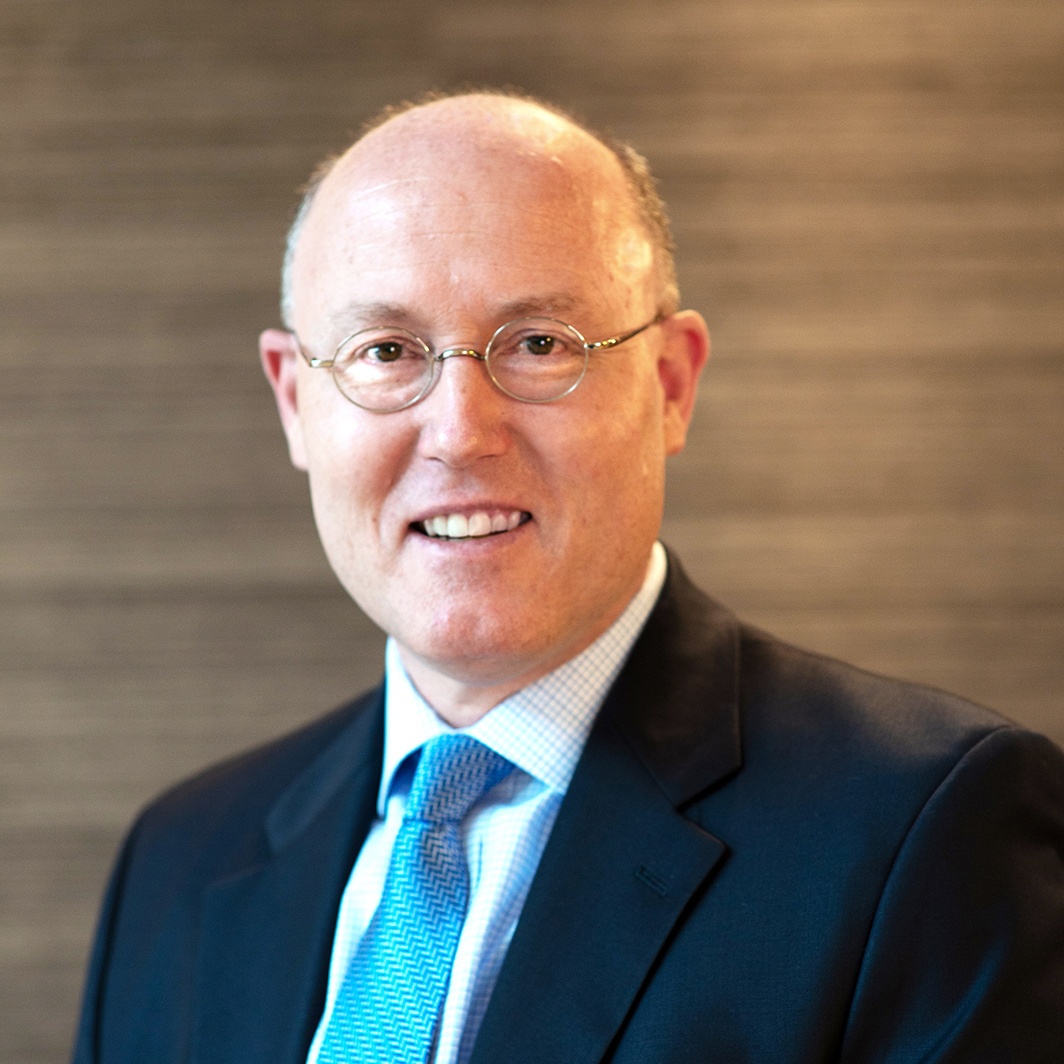
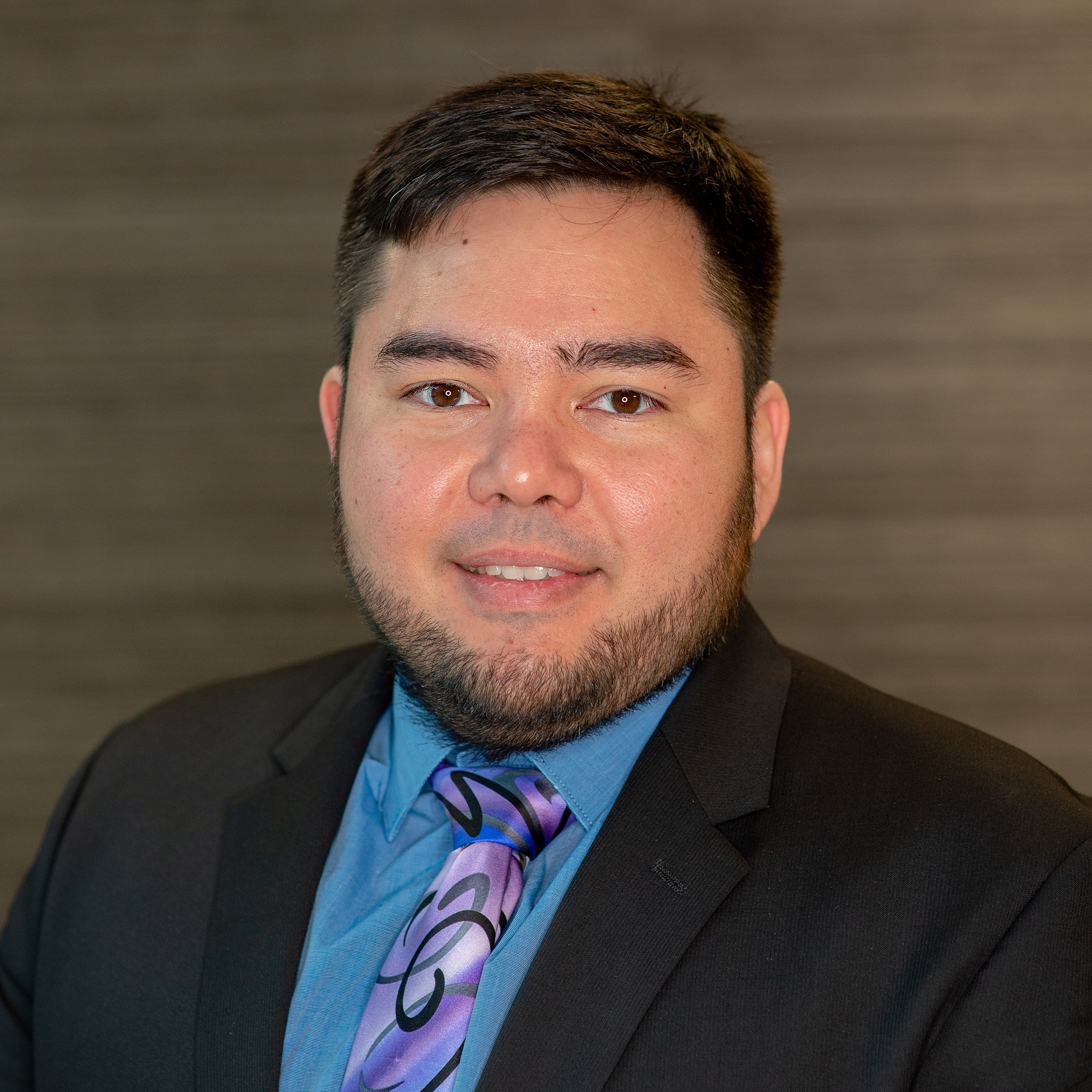
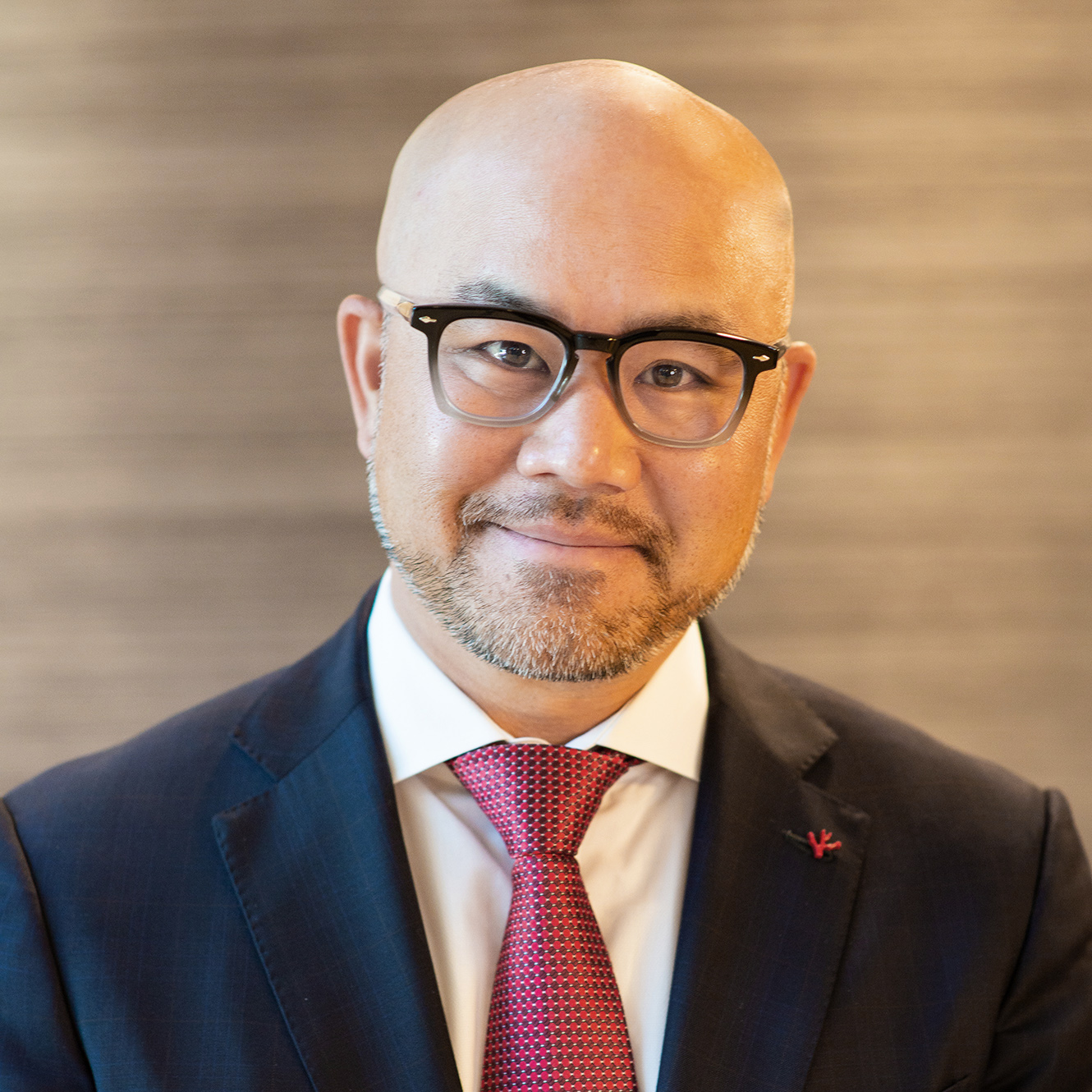
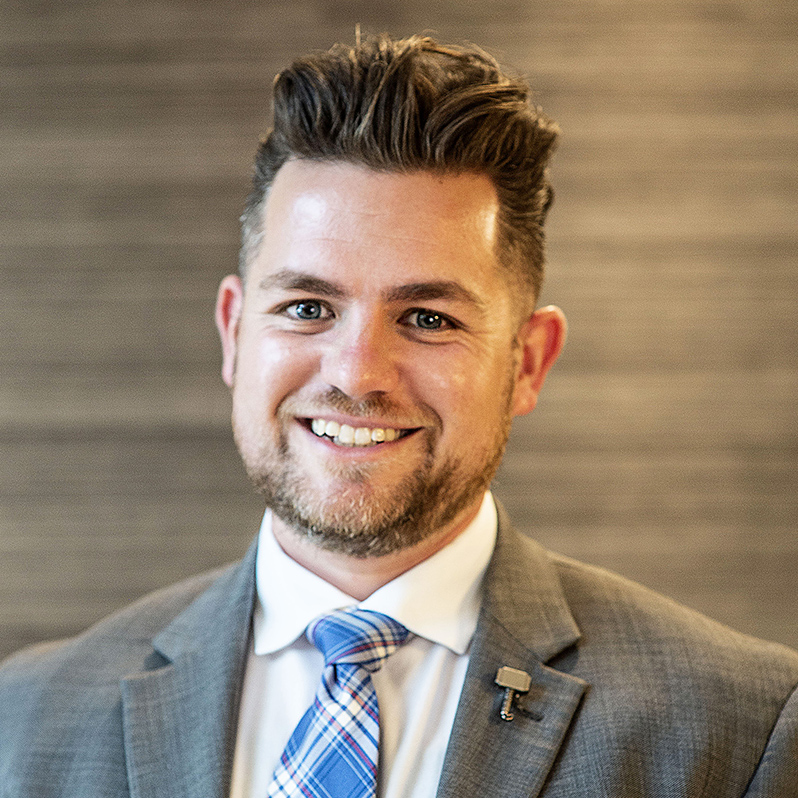
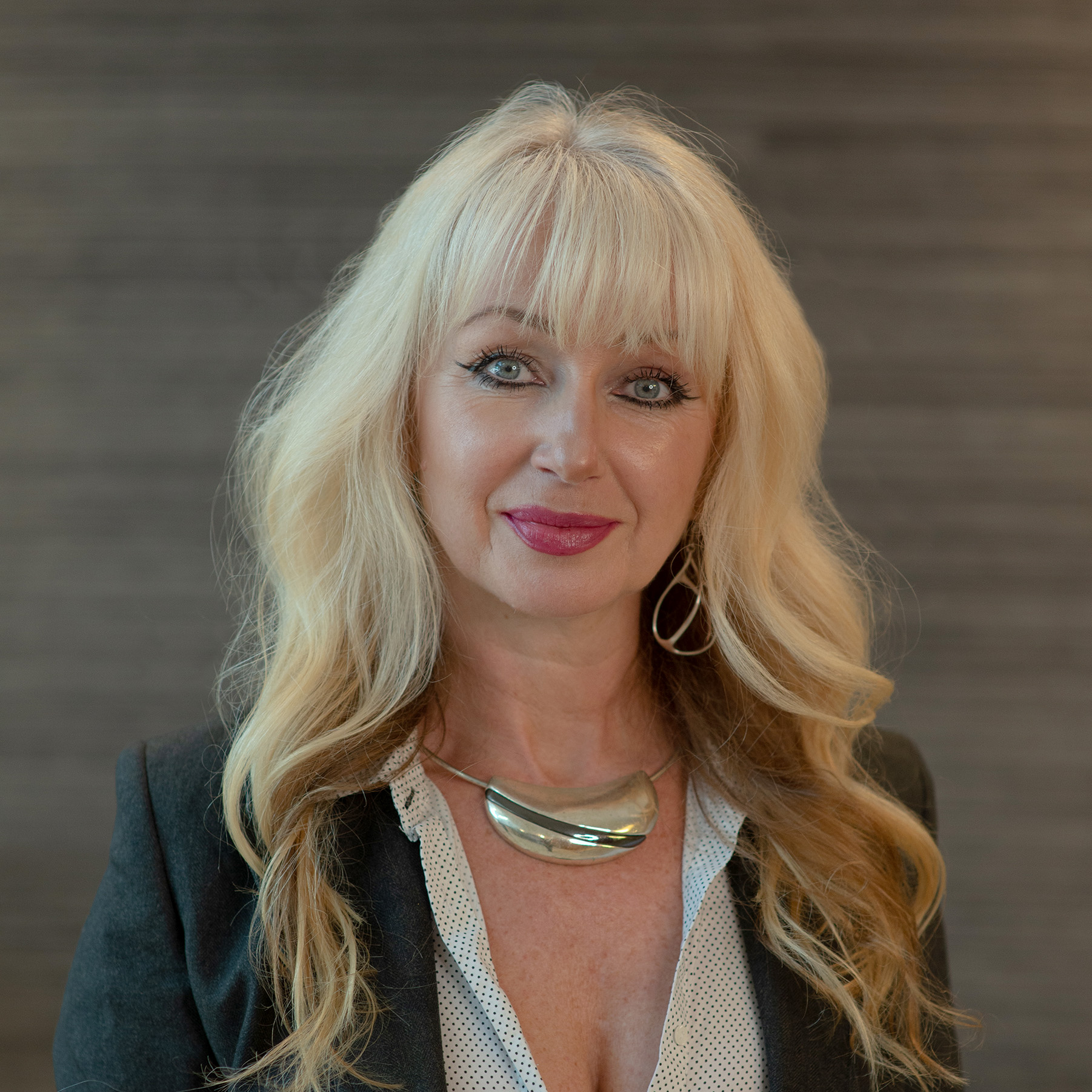
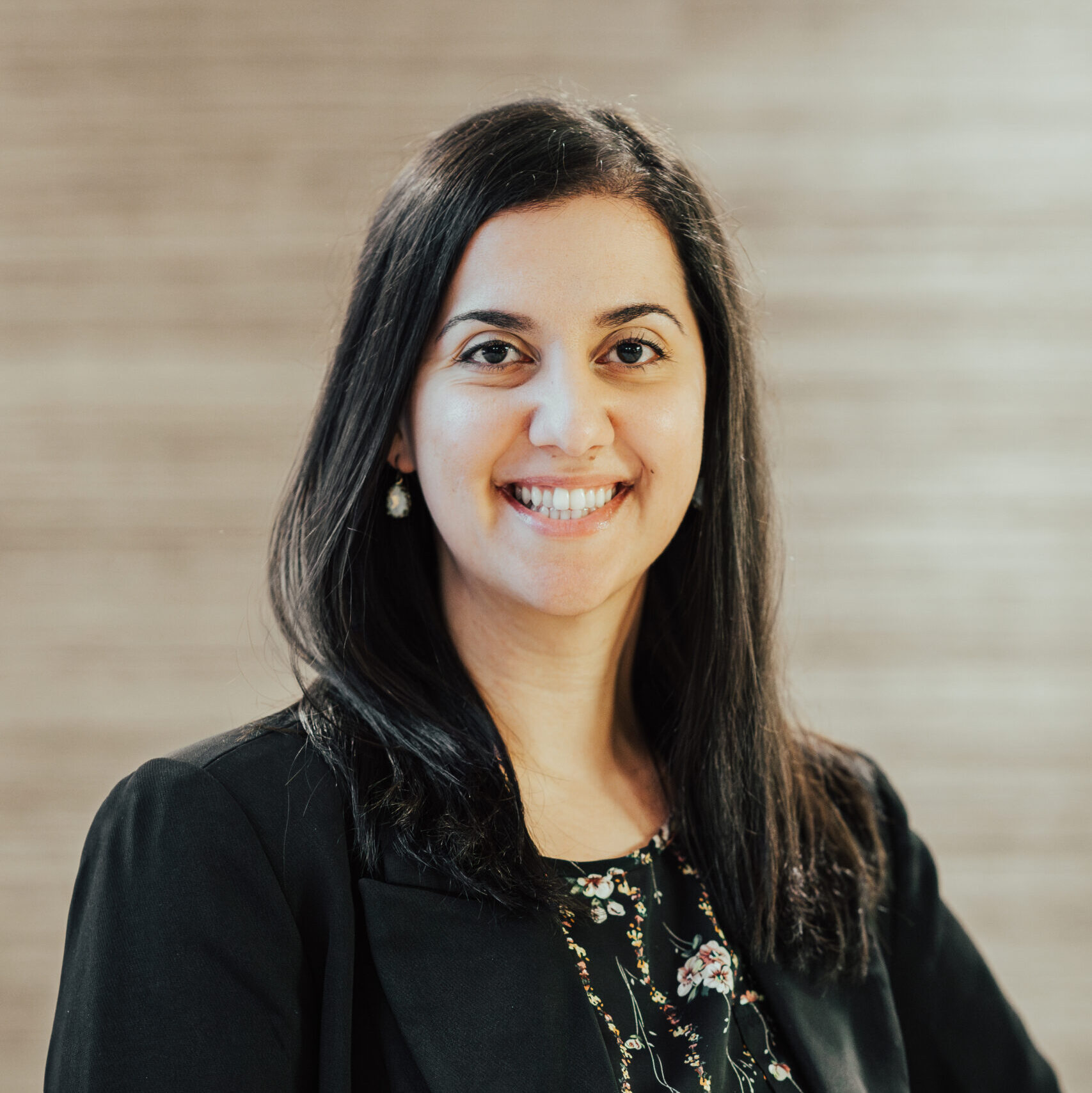
The attorneys behindthe work.
Our business and corporate attorneys handle this work alongside our litigation team, so you have coverage whether your matter stays transactional or becomes something more.


What clientsask us first.
Why can't I just leave money to my child with a disability in my will?
Because a direct inheritance can disqualify them. Means-tested benefits like SSI and Medicaid cut off above a low asset limit (SSI's is $2,000), so an outright gift or bequest can cost far more in lost benefits than it provides. The fix is a third-party special needs trust that holds the money for their benefit without it counting as theirs. Leaving it directly, even with the best intentions, is the classic and expensive mistake.
What are the three types of special needs trusts?
Third-party, first-party, and pooled, and the difference comes down to whose money funds the trust. A third-party trust is funded with someone else's assets, yours, has no Medicaid payback, and you control where the remainder goes. A first-party trust is funded with the beneficiary's own money, a settlement or an inheritance that came directly, must follow stricter federal rules, and requires repaying Medicaid at death. A pooled trust is run by a nonprofit that manages funds for many beneficiaries, and for smaller amounts it is often the practical option. Whenever possible we keep family money in a third-party trust and reserve first-party and pooled trusts for money that's already the beneficiary's.
What is an ABLE account, and do we still need a trust?
An ABLE account lets a disabled person save in their own name, tax-free for disability expenses, without losing benefits, up to annual and total limits. It's excellent for everyday control and smaller sums, but it's capped and only available if the disability began before age 46. For larger amounts and lifetime security you still want a special needs trust. Most families use both, and we help you divide the roles between them.
Can a special needs trust pay for anything?
Not quite. It's meant to supplement public benefits, so it can pay for a wide range of things, therapies, education, travel, technology, a caregiver, that improve quality of life, but paying directly for food or shelter can reduce the beneficiary's SSI. A good trustee knows the rules. We counsel trustees so that well-meaning distributions don't accidentally cut the benefits the trust was meant to protect.
Who should be the trustee of a special needs trust?
Someone who will be around for the beneficiary's lifetime and understands the benefit rules, which is a tall order for any one person. Many families pair a professional or corporate trustee for the administration with a family member as co-trustee or trust protector for the personal knowledge. We help you build a structure that combines reliable administration with someone who actually knows your loved one.
Our child with a disability is turning 18. What do we need to do?
Plan before the birthday, because at 18 your legal authority over them ends. Depending on their capacity, that may mean guardianship (RCW 11.130) or, increasingly, a less restrictive alternative like supported decision-making, a power of attorney, or becoming representative payee for their benefits. We help you choose the least restrictive option that still keeps them safe, and put it in place before the gap opens.
Recentarticles.


Special needs trusts and benefit-safe planning for Pacific Northwest families with a disabled child or relative. Our special needs trust attorneys work from Bellevue and serve families across the greater Seattle area and King County.
Oseran Hahn P.S. · 11225 SE 6th St, Suite 100 · Bellevue, WA 98004
This content is provided for general informational purposes only and does not constitute legal advice. Viewing this page does not create an attorney-client relationship.