PIP and UIM Claims
Two of the most valuable coverages after a crash are ones drivers rarely think about: PIP, which pays your medical bills no matter who was at fault, and underinsured-motorist coverage, which fills the gap when the at-fault driver didn't carry enough. We make sure both pay what your policy promises.
Talk to an attorneyFounded
1965
Attorneys
11
AV-rated
Martindale-Hubbell
Office
Bellevue, WA
Founded
1965
Attorneys
4
AV-rated
Martindale-Hubbell
Office
Bellevue, WA
PIP and UIM attorneys for Bellevue and Seattle injury clients
Oseran Hahn handles the first-party coverages on your own auto policy after an injury. Personal-injury protection pays early medical bills and lost wages regardless of fault, and underinsured-motorist coverage stands in for an at-fault driver who carried too little insurance, or none. These coverages are yours, you paid for them, but insurers still dispute, offset, and delay them. We pursue the full benefit, protect your recovery from an improper PIP reimbursement demand, and treat a UIM claim with the same seriousness as a suit against the other driver. The first conversation is free.
PIP and underinsured-motorist coverage are first-party benefits you already paid for, and getting them paid is its own kind of fight. We open and protect the PIP benefits that cover early care regardless of fault; we build the UIM claim that fills the gap a low-limits at-fault driver leaves; we hold off the PIP reimbursement demand until you have been made whole; we untangle stacking, offsets, and the coverage language insurers use to pay less; and we escalate to a bad-faith claim when an insurer mishandles its own policyholder.
PIP: medical and wage benefits regardless of fault
Personal-injury protection is no-fault coverage on your own auto policy. Washington requires insurers to offer it under RCW 48.22.085, and the minimum benefits under RCW 48.22.095 include medical expenses, a portion of lost wages, and loss of services, payable no matter who caused the crash. PIP gets your treatment started without waiting for a liability fight to resolve. We open the PIP claim promptly, keep the benefits flowing, and push back when the insurer cuts them off early with a paper medical review.
UIM: coverage when the at-fault driver carried too little
Underinsured-motorist coverage, required to be offered under RCW 48.22.030, is what protects you when the person who hit you had too little insurance, or none, or fled the scene. Functionally, you make the claim against your own insurer, but you still have to prove the other driver's fault and your damages as if you were suing them, and your insurer steps into their shoes to defend. We treat a UIM claim like the liability case it really is, because that is how it has to be proven.
PIP reimbursement and the made-whole rule
After a liability settlement, your PIP insurer often wants its money back. Washington limits that. Under the made-whole rule from Thiringer v. American Mutual Insurance Co., 91 Wn.2d 215 (1978), an insurer cannot recoup PIP until you have been fully compensated for your loss. And under Mahler v. Szucs, 135 Wn.2d 398 (1998), when it does recover, it must share in your attorney fees on a pro-rata basis. We enforce both, which often means the reimbursement demand shrinks or disappears.
Stacking, offsets, and coverage language
More than one policy can apply, and the order and offsets matter. UIM coverage can sometimes stack across vehicles or policies, and insurers use offset and anti-duplication clauses to reduce what they pay. We read the coverage language closely, because Washington scrutinizes provisions that try to cut UIM below what the statute requires. Getting the stacking and offset analysis right is often the difference between policy limits and a fraction of them.
When a coverage claim becomes a bad-faith claim
Because PIP and UIM are claims against your own insurer, the insurer owes you a duty of good faith. When it denies a valid UIM claim, terminates PIP without a reasonable basis, or drags the process out, the mishandling can support a separate bad-faith and Insurance Fair Conduct Act claim under RCW 48.30.015, with its enhanced damages. UIM and PIP are contract-based and can carry longer deadlines than the three-year injury claim under RCW 4.16.080, but the coverages have notice conditions, so it is a mistake to wait.
Insurers keep track of which firms prepare a file like it's headed to a jury and which ones take the first offer. We're in the first group, and it changes what your claim is worth.
You pay nothing unless we recover.
We handle injury cases on a contingency fee. The consultation is free, we advance the costs of building the case, and our fee comes out of the recovery, not your pocket. If there's no recovery, you owe no attorney fee.
Built for trial, which is why most settle.
Every file is prepared as if a jury will see it: evidence preserved, experts lined up, damages documented. That preparation is exactly why the other side settles, and settles higher. The firm's trial group has been in Washington courtrooms for decades.
Senior attorneys, straight talk.
You work with experienced attorneys, not a rotating case manager, and you'll get an honest read on your claim, including when a case isn't worth bringing. Communication is steady and in plain language, so you always know where things stand.
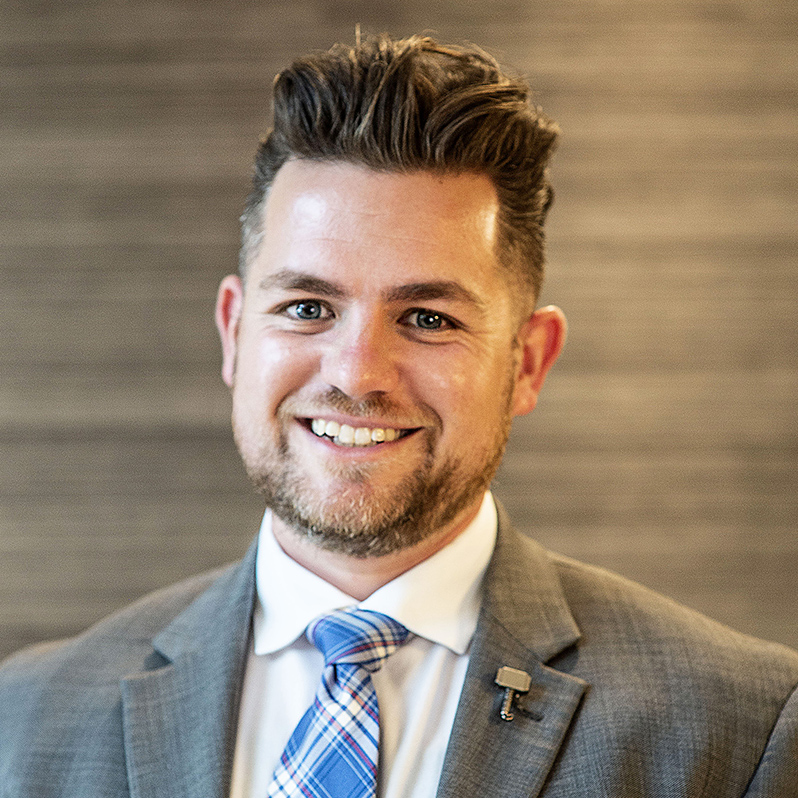
The attorneys behindthe work.
Our business and corporate attorneys handle this work alongside our litigation team, so you have coverage whether your matter stays transactional or becomes something more.






What clientsask us first.
What is PIP, and do I have to use my own insurance?
PIP is no-fault coverage on your own auto policy that pays medical bills and part of your lost wages regardless of who caused the crash, under RCW 48.22.095. Using it is what you paid premiums for, and a not-at-fault PIP claim shouldn't raise your rates. It gets treatment started without waiting on the liability fight.
What is underinsured motorist (UIM) coverage?
Underinsured-motorist coverage protects you when the at-fault driver had too little insurance to cover your injuries, had none, or hit and ran. You claim against your own policy under RCW 48.22.030, but you still prove the other driver's fault and your damages, so it's handled like a liability case.
My PIP insurer wants to be repaid out of my settlement. Do I have to?
Not necessarily, and often not in full. Under Washington's made-whole rule from Thiringer, your PIP insurer can't take reimbursement until you've been fully compensated, and under Mahler v. Szucs it has to share your attorney fees pro rata when it does recover. We handle that demand so it doesn't quietly eat your recovery.
What does it cost?
Nothing up front. We handle PIP and UIM claims on a contingency fee: the consultation is free, we advance costs, and our fee comes from the recovery. If we don't recover, you owe no attorney fee. Where an insurer acted in bad faith, the law can also shift fees onto the company.
How long do I have to make a UIM claim?
UIM and PIP are contract claims, so the deadline is often longer than the three-year injury statute, but your policy also has notice and cooperation conditions that can bar a late claim. Because the rules differ by policy, it's worth having us check the deadlines early rather than assume.
Recentarticles.
Tell us what happened. The consultation is free, and an attorney from our personal-injury group will follow up within one business day.
Oseran Hahn P.S. · 11225 SE 6th St, Suite 100 · Bellevue, WA 98004
This content is provided for general informational purposes only and does not constitute legal advice. Viewing this page does not create an attorney-client relationship.