Real Estate Development & Finance
A development deal is a stack of agreements that all have to hold at once: the land, the loan, the architect, the contractor, and the jurisdiction. We represent developers and owners on projects across Bellevue, Seattle, and King County. We structure the financing and the construction contracts so the risk sits where it belongs, and so a delay in one piece doesn't bring down the rest.
Talk to an attorneyFounded
1965
Attorneys
11
AV-rated
Martindale-Hubbell
Office
Bellevue, WA
Founded
1965
Attorneys
4
AV-rated
Martindale-Hubbell
Office
Bellevue, WA
Real estate development attorneys for Bellevue and Seattle developers and owners
Our real estate development attorneys represent developers, owners, and borrowers across the financing and construction side of a project: the acquisition loan, the construction facility, the architect and contractor agreements, and the land-use approvals that have to clear before anything gets built. We structure the joint ventures that put landowner and capital together, negotiate the loan documents on the borrower's side, and paper the AIA contracts that govern the build. We draft for the project that runs long or over budget, because most of them do, so the documents already say who absorbs it.
Development work brings more counterparties to the table than any other real estate matter: a lender, an architect, a general contractor, equity partners, and the local jurisdiction, each with its own paper and its own leverage. We negotiate the acquisition and construction financing and the covenants buried in it. We paper the AIA and custom design and construction contracts. We move the project through SEPA, zoning, and subdivision review. We structure the development joint venture. And we manage the lien and defect risk that construction always carries.
Acquisition and construction financing
Most projects run on borrowed money in stages: an acquisition loan to take down the land, a construction facility that funds against draws as the work progresses, and permanent debt that takes out the construction loan once the project stabilizes. We represent the borrower across all three, reviewing the loan commitment and the covenants that quietly govern what an owner can do with the asset, negotiating the recourse carve-outs and completion guaranties that put personal liability on the sponsor, and coordinating the draw schedule, title endorsements, and lien waivers the lender will require at each funding. In Washington, the loan is typically secured by a deed of trust under RCW 61.24, which lets the lender foreclose nonjudicially, so the cure and notice terms in the loan documents carry real weight if a project stalls. We read the intercreditor and subordination terms before signing, not after a default.
Design and construction contracts
The contracts with the architect and the general contractor decide who carries the cost of a delay, a design error, or a price that runs over. We negotiate the AIA owner-architect agreement (B101) and the owner-contractor agreements (A101 with the A201 general conditions), as well as guaranteed-maximum-price and design-build forms, and we modify the standard documents, which are drafted to favor the design and construction side, to protect the owner. We focus on the terms that surface in a dispute: the change-order and contingency mechanics, the schedule and liquidated damages, the indemnities and insurance, retainage, and the conditions on each progress payment. Washington regulates retainage on construction under RCW 60.28, and the prompt-payment rules shape how and when the owner has to fund, so we align the payment terms with what the statute and the lender both require.
Land use, entitlement, and permitting
Before a project can be financed or built, it usually has to clear the jurisdiction, and the entitlement timeline often drives the whole deal. We advise owners through environmental review under the State Environmental Policy Act (RCW 43.21C), zoning and conditional-use questions, and the plat and subdivision process under RCW 58.17 when a parcel is being divided. We coordinate with the land-use consultants and engineers, structure purchase agreements with feasibility and entitlement contingencies so the buyer isn't committed before the approvals are in hand, and counsel on the development conditions and impact fees a jurisdiction attaches to its approval. When a project draws an appeal, we know how the local hearing and the Growth Management Hearings Board process actually run.
Development joint ventures and equity
Most projects pair a party with the land or the expertise and a party with the capital, and the joint-venture agreement is where that relationship is defined. We structure the development JV, usually as a Washington limited liability company under RCW 25.15, and paper the operating agreement that controls the questions a successful project will eventually raise: how capital is contributed and called, how the developer's promote and the investor's preferred return are calculated, who controls major decisions, and what happens if a partner won't fund a capital call. We draft the waterfall so the distribution math is settled in writing rather than argued at the refinance, and we build in the buy-sell and exit mechanics before anyone needs them.
Construction liens, defects, and disputes
Construction generates the most predictable disputes in real estate, and Washington's lien statute moves fast. A contractor, subcontractor, or supplier who isn't paid can record a claim of lien against the property under RCW 60.04, and the deadlines for notice and recording are short and strictly enforced, so we counsel owners on lien releases, conditional and unconditional waivers, and bonding off a disputed claim to keep a financing or sale on schedule. We handle the construction-defect claims that surface after substantial completion, subject to Washington's six-year statute of repose under RCW 4.16.310, and we coordinate the warranty, insurance, and indemnity claims among the owner, contractor, and design team. When a defect or payment dispute heads toward litigation, the firm's litigators are down the hall on the same file.
Sixty years of Pacific Northwest real estate work, and a litigation team in the same office, means we've papered developments from the first capital call and been called when the loan, the contractor, or the entitlement didn't go to plan. That shapes how we draft.
We negotiate the loan the borrower has to live with.
The lender's first draft puts every risk on the sponsor. We've read enough construction loans to know which carve-outs and covenants matter once a project runs behind, and we negotiate those before the closing, not during a workout.
We modify the standard form, not just sign it.
The AIA documents are the industry default, which is exactly why the other side is comfortable with them. We mark them up to move the delay, design-error, and payment risk back toward the middle, where an owner can carry it.
Financing, contracts, and litigation under one roof.
A development matter touches lending, construction, land use, and, often enough, a dispute. We run all of it from one office, so the lawyer who drafted the GMP contract is the one advising when the contractor files a lien.
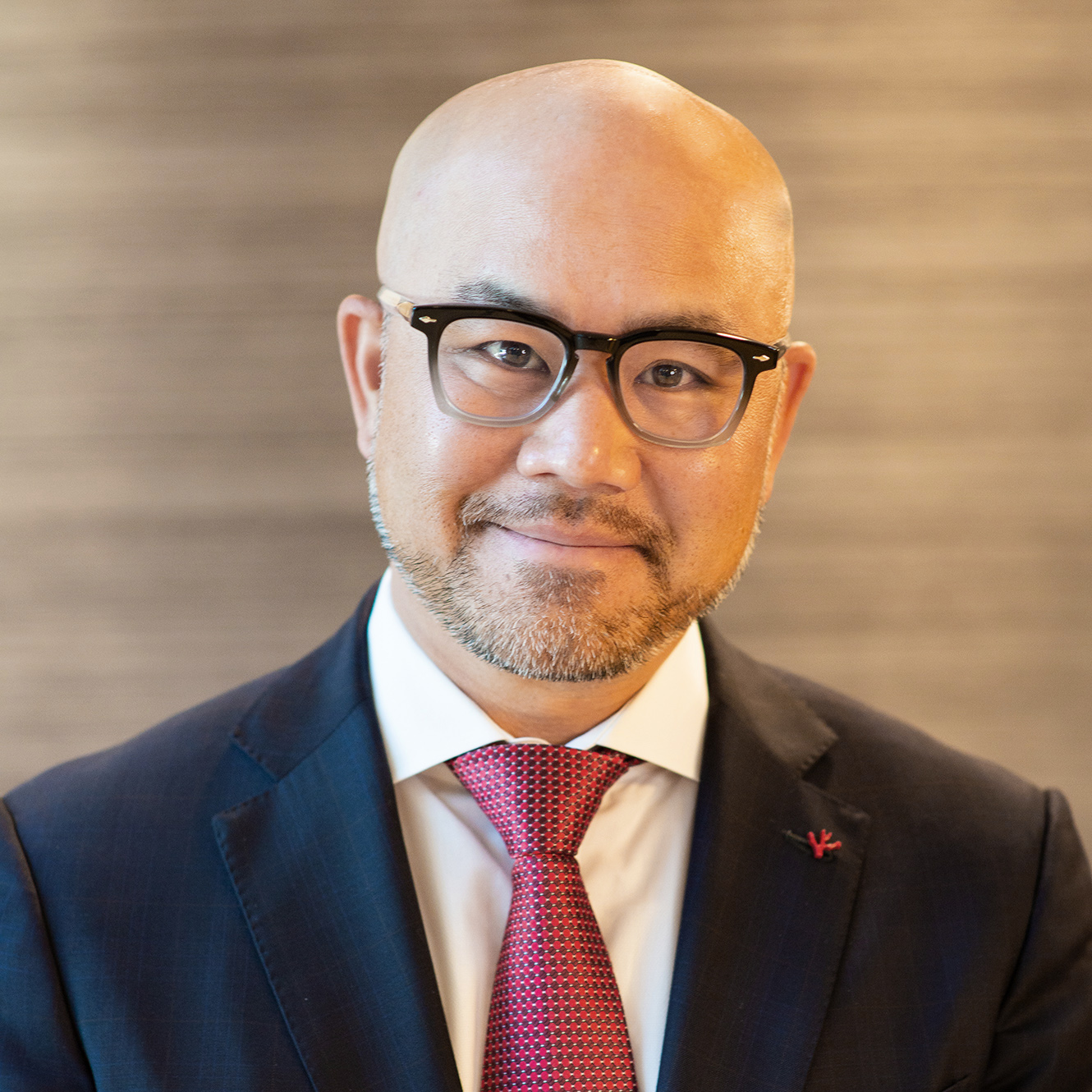
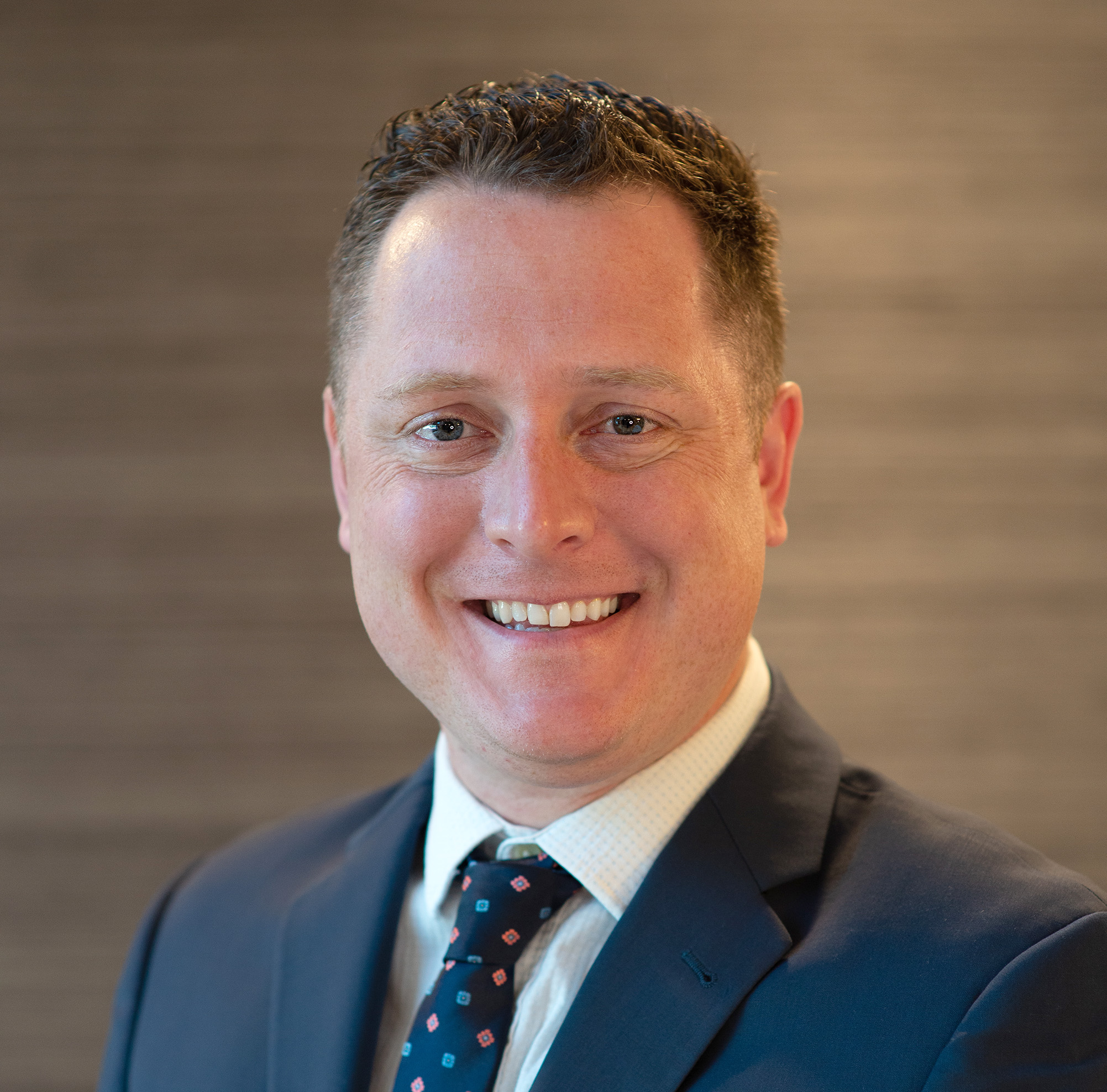
The attorneys behindthe work.
Our business and corporate attorneys handle this work alongside our litigation team, so you have coverage whether your matter stays transactional or becomes something more.



What clientsask us first.
Do you represent owners and developers, or lenders?
Both, though not on the same deal. Most of our development work is borrower- and owner-side, negotiating the loan and the construction contracts against the lender and the contractor. We also represent lenders directly when the project fits. Either way, you get counsel that has sat on the other side of the same documents.
What's the difference between a construction loan and permanent financing?
A construction loan funds the build in draws and usually carries a higher rate, recourse to the sponsor, and a short term. Permanent financing is the long-term debt that pays off, or takes out, the construction loan once the project is complete and leased. We coordinate the two so the takeout is in place before the construction loan matures, which is where projects get squeezed when no one planned for it.
The contractor sent a standard AIA contract. Do I really need a lawyer to review it?
Yes. The AIA forms are well drafted, but they're drafted from the design and construction industry's point of view, and the standard allocation of delay, change-order, and payment risk favors that side. We modify the terms that decide who pays when a project runs over or behind, which is the situation the contract exists for in the first place.
How long does land-use entitlement take in Washington?
It depends on the jurisdiction, since Bellevue, Seattle, and unincorporated King County each administer their own development code, and on whether the project triggers full environmental review under SEPA. Entitlement is usually measured in months to years, not weeks, and it drives the rest of the deal's timeline. We structure the land purchase with feasibility and entitlement contingencies so you aren't fully committed to buy before you know the project can be approved.
How do I protect a project from contractor and subcontractor liens?
Washington's lien deadlines are short and strict, so the protection is procedural: collecting conditional and unconditional lien waivers with each payment, confirming that subcontractors and suppliers are paid down the chain, and bonding off a disputed claim under RCW 60.04 so it doesn't cloud title or hold up a draw or sale. We build the waiver process into the payment terms from the start.
When should you hire a real estate development attorney?
Before you tie up the land. The purchase agreement, the financing terms, and the joint-venture structure set at the front of a project decide how much room you have when the entitlement runs long or the construction budget moves. Bringing counsel in after the land is bought and the loan is committed means working inside terms that are already fixed.

We'll get the financing, the contracts, and the entitlement aligned before the first draw.
Oseran Hahn P.S. · 11225 SE 6th St, Suite 100 · Bellevue, WA 98004
This content is provided for general informational purposes only and does not constitute legal advice. Viewing this page does not create an attorney-client relationship.