Boundary Disputes
A boundary dispute is rarely about a few inches of dirt. It's about a fence, a driveway, or a building that crossed a line no one had surveyed in decades, and a sale or a refinance that won't close until it's resolved. We handle property line and boundary disputes for owners across Bellevue, Seattle, and King County. We sort out where the line actually is and make the fix stick on the record.
Talk to an attorneyFounded
1965
Attorneys
11
AV-rated
Martindale-Hubbell
Office
Bellevue, WA
Founded
1965
Attorneys
4
AV-rated
Martindale-Hubbell
Office
Bellevue, WA
What type of lawyer handles property line disputes?
You need a real estate attorney who handles property line and boundary disputes regularly and can litigate one if the neighbor won't settle. Oseran Hahn resolves property line, boundary, and encroachment disputes between Pacific Northwest property owners. We start by establishing where the legal line actually runs, through the deed, the plat, and a current survey, and then we resolve the gap between the line on paper and the use on the ground: a fence or structure over the line, a neighbor's adverse possession claim, or two surveys that don't agree. Most of these settle with a recorded boundary adjustment or agreement. When they don't, the firm's litigators try the quiet title case.
A property line dispute turns on two questions: where the line legally is, and what to do about the way the property has actually been used. We establish the line from the deed, the plat, and a record of survey. We resolve encroachments where a fence or structure crosses it. We adjust and record a new line by agreement where that's the cleaner fix. We handle adverse possession claims, on either side. And we quiet title when the dispute has to be settled by a court.
Locating the property line: surveys and the legal description
Almost every boundary dispute starts with a question no one can answer from memory: where, exactly, is the line? We work from the deed's legal description, the recorded plat, and a current survey to fix the boundary on the ground, and we reconcile the conflicts that surface, an old metes-and-bounds description that no longer matches the monuments, a survey that disagrees with the neighbor's, or a fence that was never on the line to begin with. A licensed surveyor's record of survey, recorded under Washington's Survey Recording Act (RCW 58.09), is the factual foundation for everything that follows, so we get the survey right before anyone argues about the law.
Encroachments: fences, structures, and improvements over the property line
The most common boundary problem is something built where it shouldn't be: a fence a few feet onto the neighbor's land, a driveway or retaining wall that crosses the line, eaves or footings that overhang, or a garage that turns out to sit partly on the adjoining lot. Once the survey shows the encroachment, we lay out the realistic options, removing it, granting or buying an easement for it to remain, purchasing the affected strip, or adjusting the boundary, and we paper and record whichever one the parties choose. Catching an encroachment during a sale, when the buyer's lender won't fund until it's cleared, is the expensive version; we'd rather fix it on the owner's timeline.
Boundary line adjustments and agreed lines
When two owners agree on where the line should be, the cleanest resolution is to make it official. A boundary line adjustment relocates the line between existing parcels without creating a new lot, and Washington exempts it from full subdivision review under RCW 58.17.040, so it's faster and cheaper than people expect. We handle the adjustment with the county, draft the deeds that convey the small areas between the old line and the new one, and record it so the corrected boundary follows the land. Where a line has been treated as the boundary for years, we can also establish it by a written boundary agreement recorded under RCW 58.04.007, or under the doctrines of mutual acquiescence and boundary by agreement.
Adverse possession and prescriptive claims
Sometimes the neighbor isn't asking to fix the line, they're claiming the disputed strip is already theirs. Washington's adverse possession doctrine lets someone who has possessed another's land openly, notoriously, exclusively, hostilely, and continuously for ten years (RCW 4.16.020) acquire title to it, and a shorter seven-year path exists for a claimant with color of title who has paid the taxes (RCW 7.28.070). We bring these claims for owners who have long since absorbed a strip of adjoining land, and we defend against them for owners on the losing end, including under RCW 7.28.083, which lets a court weigh the equities and shift costs and fees. The facts, especially whether the use was permissive, usually decide it.
Quiet title and resolving the dispute
When the parties can't agree, the boundary gets settled in court. We bring and defend quiet title and ejectment actions under RCW 7.28 to establish the line, remove an encroachment, or confirm or defeat an adverse possession claim, and we record the resulting judgment so the boundary is fixed for every future owner. Most disputes don't need a trial, and we pursue the negotiated boundary agreement, the mediated settlement, or the lot-line adjustment first, because they're faster and they keep the neighbors civil. When litigation is the only path left, the firm's litigators, who try these cases, are in the same office on the same file.
Sixty years of Pacific Northwest property work, and a litigation team in the same office, means we've resolved boundary disputes at the negotiating table and in the courtroom. We know which ones settle and which ones have to be tried.
We start with the survey, not the argument.
Boundary fights are won on facts, and the facts come from a recorded survey and the chain of title. We get those right first, so the legal position rests on something a court and a title company will both accept.
We'd rather adjust the line than litigate it.
Most boundary problems have a recorded fix, a line adjustment, an easement, or an agreement, that's faster and cheaper than a lawsuit and leaves the neighbors on speaking terms. We reach for that first and litigate only when we have to.
Resolution and litigation under one roof.
When a boundary case has to be tried, the litigators who handle quiet title and adverse possession are down the hall. We move from negotiation to courtroom without handing the file to a new firm.
The attorneys behindthe work.
Our business and corporate attorneys handle this work alongside our litigation team, so you have coverage whether your matter stays transactional or becomes something more.





What clientsask us first.
My neighbor's fence is over the property line. What can I do?
First, get a survey, because the dispute can't be resolved until everyone knows where the line actually is. Once it's established, the encroaching owner and you have options: remove the fence, grant or buy an easement to let it stay, sell the strip it sits on, or adjust the boundary. Which one makes sense depends on the survey and the relationship. We paper and record whichever you choose so it doesn't resurface at the next sale.
What's a boundary line adjustment, and how is it different from subdividing?
A boundary line adjustment moves the line between two existing lots without creating any new lot, so Washington exempts it from the full subdivision process under RCW 58.17.040. That makes it the fast, inexpensive way for two owners who agree on a line to make it official. Subdividing, by contrast, splits one parcel into more lots and triggers the full platting process. We handle the adjustment, the deeds, and the recording.
Can my neighbor take part of my land by adverse possession?
In Washington, yes, under the right facts. Someone who possesses your land openly, notoriously, exclusively, hostilely, and continuously for ten years can acquire title to it, and a seven-year path exists for a claimant with color of title who pays the taxes. The key is usually whether the use was truly adverse or something you permitted. If you see a neighbor treating part of your land as their own, the time to address it is before ten years run, not after.
Do I need a survey to resolve a property line dispute?
Almost always. A boundary dispute is a factual question first and a legal one second, and the fact is where the line runs. A current record of survey, prepared by a licensed surveyor and recorded under RCW 58.09, is what a court, a title company, and the other owner will rely on. We coordinate the survey and build the legal strategy on top of it rather than arguing in the dark.
Can a line everyone has treated as the boundary for years become the legal line?
It can. Washington recognizes boundary by agreement and the doctrine of mutual acquiescence, where two owners who have treated a fence or other line as the boundary for a long period, usually the ten-year adverse possession period, can have that line declared the legal boundary. Whether it applies turns on the history of the use and any evidence of agreement. We can establish the line that way, or defend against a neighbor trying to.
How do you win a boundary dispute?
Most boundary disputes are won on the facts, and the facts come from a current survey and a clean chain of title. That is why the cheapest time to act is at the first sign of a problem, before you confront the neighbor or sign anything, rather than during a sale or after a structure has been built over the line. If you've gotten a survey that shows an encroachment, received an adverse possession claim, or had a closing held up by a boundary exception, that's the moment to call a property line attorney.
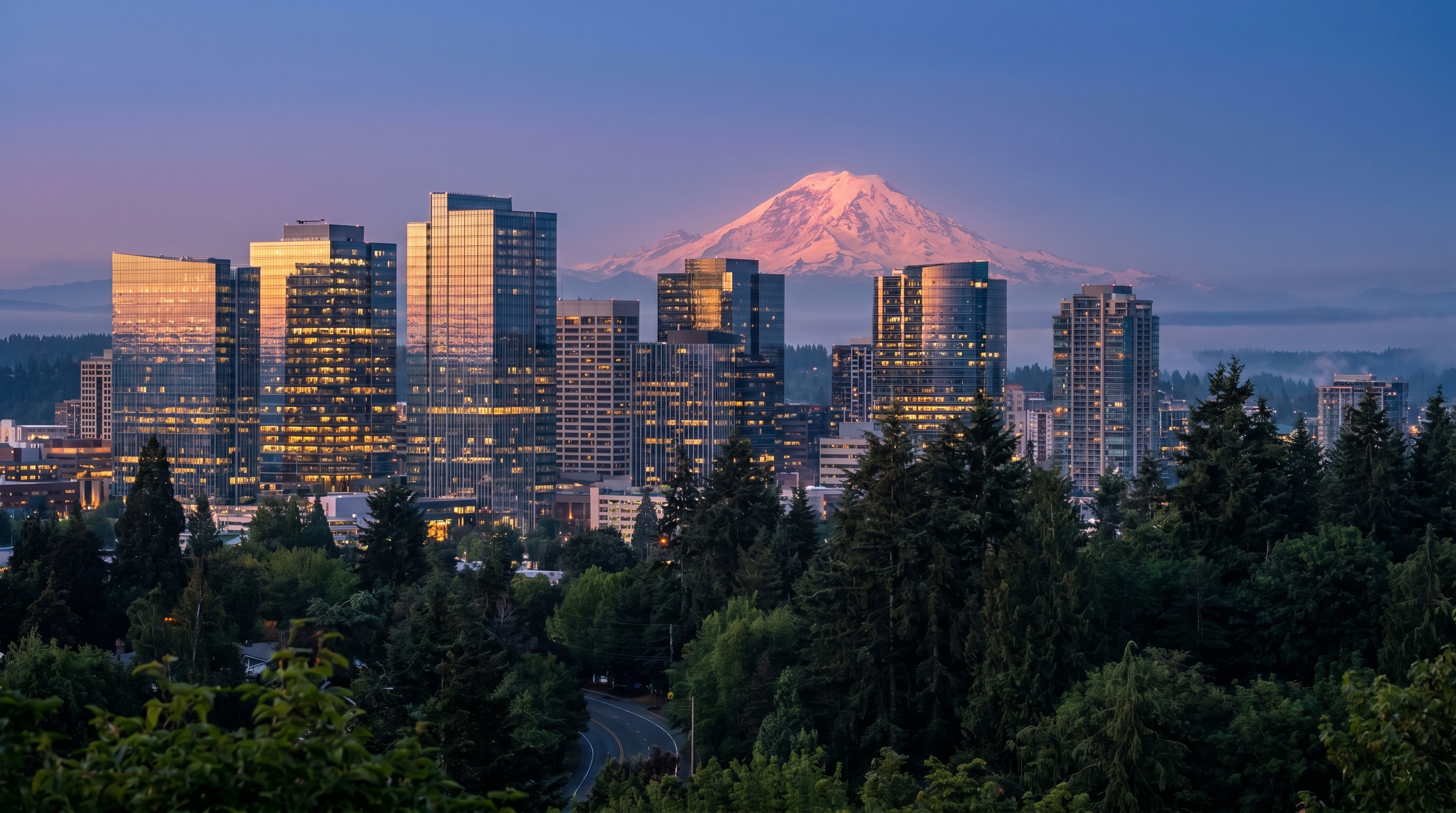
We'll establish where the line runs and record the fix, by agreement where we can and in court where we must.
Oseran Hahn P.S. · 11225 SE 6th St, Suite 100 · Bellevue, WA 98004
This content is provided for general informational purposes only and does not constitute legal advice. Viewing this page does not create an attorney-client relationship.