Easements
An easement is one person's right to use another's land, and it lasts as long as the land does. We draft, record, and clean up the access, utility, and right-of-way easements that make property work for owners across Bellevue, Seattle, and King County. We sort out the ones that were never written down or no longer fit, and we handle the disputes they turn into, before any of it clouds a sale.
Talk to an attorneyFounded
1965
Attorneys
11
AV-rated
Martindale-Hubbell
Office
Bellevue, WA
Founded
1965
Attorneys
4
AV-rated
Martindale-Hubbell
Office
Bellevue, WA
What kind of attorney do you need for an easement dispute?
You need a real estate attorney who works in easements regularly and can litigate one if it comes to that. Oseran Hahn handles the easements that run with Pacific Northwest property: the access, utility, and right-of-way rights a parcel needs, the shared-use and reciprocal arrangements between neighboring owners, and the older, vaguer easements that surface when land changes hands. We draft and record new easements, interpret and modify existing ones, and resolve the easement disputes and title problems that come with rights that outlive the people who agreed to them. An easement is an interest in land, so we treat it like one: written, recorded, and clear enough to bind the next owner.
Easements are simple in concept and endlessly specific in practice, because each one turns on the exact words that created it. We draft and grant the easements a property needs, and record them so they bind the next owner. We paper the access, utility, and right-of-way arrangements between parcels, including the shared roads and driveways that serve more than one lot. We structure the reciprocal easements that let adjoining properties share parking and access. We interpret, modify, and terminate the easements already on a title. And we resolve the easement disputes that title work turns up, including the implied and prescriptive claims nobody ever recorded.
Creating and granting easements
An easement is an interest in land, which means creating one is a conveyance, not a handshake. We draft the express easement, by grant or by reservation in a deed, and we fix the terms that decide every later question: the exact location and width, the permitted purpose, who may use it, and whether it is appurtenant, running with the land to every future owner of the benefited parcel, or personal to a particular holder. Because an easement is an interest in real property, it has to be in writing and signed to be enforceable under Washington's statute of frauds (RCW 64.04.010), and we record it under the recording act (RCW 65.08.070) so it binds a later buyer or lender who takes the servient land. A vague or unrecorded easement is the one that becomes a lawsuit.
Access, utility, and right-of-way easements
Most easements exist to make a parcel usable: a driveway, private road, or right-of-way across a neighbor's land for ingress and egress, a utility easement for power, water, sewer, or fiber, and the shared-use arrangements that come with a common road or a flag lot. We draft these for owners, developers, and buyers, and we pay particular attention to the part that actually causes friction later: who maintains the easement, how the cost is shared among the parcels that use it, and what happens when one owner's use grows. A private-road or shared-driveway maintenance agreement, recorded against every benefited parcel, settles the question before the neighbors have to.
Reciprocal easements and shared-property arrangements
When two or more parcels are developed or operated together, the easements run both ways. We structure reciprocal easement agreements for shared parking, access, signage, and utilities across commercial, retail, and mixed-use properties, and the cross-easements between a building and its neighbor for support, encroaching footings, or a shared wall. These agreements have to anticipate a change of ownership on either side, so we draft them to bind successors, allocate maintenance and insurance, and set the rules for amendment, rather than leaving the next two owners to reconstruct what the original developers intended.
Scope, maintenance, modification, and termination
Most easement fights are not about whether the easement exists but about what it allows, so we draft and interpret the scope: an easement granted for one purpose can't be overburdened with another, and the holder of the benefit generally bears the duty to maintain it. We handle the changes an easement needs over its life, including amending the terms, relocating it where the law and the parties allow, and releasing or terminating it when it is no longer needed, whether by written release, merger of the two parcels under one owner, or abandonment. Each of those gets recorded, because an easement that's been released on paper but not in the county records still clouds the title.
Implied easements, prescription, and clearing title
Not every easement was ever written down, and those are the ones that surface in diligence. We advise on easements by necessity and by implication, which arise from how parcels were once divided and used, and on prescriptive easements, where open, notorious, and adverse use of another's land for the ten-year period set by RCW 4.16.020 can ripen into a right. When a title report shows an ancient easement of unclear scope, a claimed right no one papered, or an encroachment over an easement line, we resolve it, by negotiated agreement where possible and by a quiet title action under RCW 7.28 where it isn't, to confirm or extinguish the right and clear the record. When the matter turns adversarial, the firm's litigators are on the same file.
Sixty years of Pacific Northwest property work means we've drafted easements from scratch and untangled the ones that weren't, usually during somebody's sale. That tells us exactly which words a title examiner and a future buyer will need.
We write it to be recorded.
An easement that isn't clear and recorded is the one that holds up a closing. We draft the location, scope, and maintenance terms precisely, and we get them into the county records, so the right survives the next sale of either parcel.
We know where the old ones break.
Decades of diligence have shown us how easements actually fail: vague scope, no maintenance clause, never recorded, or overtaken by use. We draft new ones to avoid those traps and fix old ones before they cost a deal.
Drafting and disputes under one roof.
When an easement turns into a blocked driveway or a prescriptive claim, the litigators who try those cases are down the hall. We draft the grant knowing how courts read scope, abandonment, and adverse use.
The attorneys behindthe work.
Our business and corporate attorneys handle this work alongside our litigation team, so you have coverage whether your matter stays transactional or becomes something more.





What clientsask us first.
What's the difference between an easement appurtenant and an easement in gross?
An easement appurtenant benefits a particular parcel of land, the dominant estate, and runs with that land to every future owner, like a driveway easement that always serves the lot behind yours. An easement in gross benefits a person or company rather than a parcel, like a utility company's right to run a line. The distinction decides whether the right transfers automatically when the land sells, so we make it explicit in the grant.
Does an easement have to be recorded to be valid?
Between the original parties, a written, signed easement is enforceable even if it's never recorded. The problem is everyone who comes later. Washington is a race-notice state, so an unrecorded easement can be cut off when the servient land is sold to a buyer without notice of it. We record every easement we draft so the right binds future owners and lenders, and so it shows up cleanly in the next title search.
What are the requirements for claiming a prescriptive easement in Washington?
Someone has to use another owner's land openly, continuously, and without permission for ten years before the use can ripen into a legal right. That's the situation behind most of these calls: a neighbor has crossed your driveway for years and nobody ever papered it. Whether a particular use qualifies turns on the facts, especially whether the use was truly adverse or merely permitted. If you want to stop one before it ripens, or you're relying on one, sort it out before a sale forces the question.
Who's responsible for maintaining a shared driveway or private road?
Usually the owners who benefit from it, in proportion to their use, but the cleanest answer is whatever the easement or a separate maintenance agreement says. When there's no written agreement, maintenance and cost-sharing become a recurring source of neighbor disputes. We draft a recorded maintenance agreement that fixes who pays for what, so the question is settled before the road needs repaving.
How do you challenge or get rid of an easement?
An easement can be terminated by a written release, by the two parcels coming under one owner, by abandonment, or by its own expiration, and it can be modified or relocated where the terms allow it or both the benefited and burdened owners agree. Challenging one is a different question from ending it: when a neighbor is overusing an easement rather than holding an invalid one, the argument is scope, and a court can limit the use without extinguishing the right. Either route has to be documented and recorded to actually clear the title. We handle the agreement and the recording so a terminated easement doesn't linger on the record and complicate a future sale.
When should I bring in an easement attorney?
Before you grant or rely on one, and the moment a title report flags an easement you don't understand. The cost of drafting a clear, recorded easement is small next to the cost of litigating a vague one, and an easement problem found during a sale is the most expensive time to find it. We'd rather get the words right at the start than argue about them later.
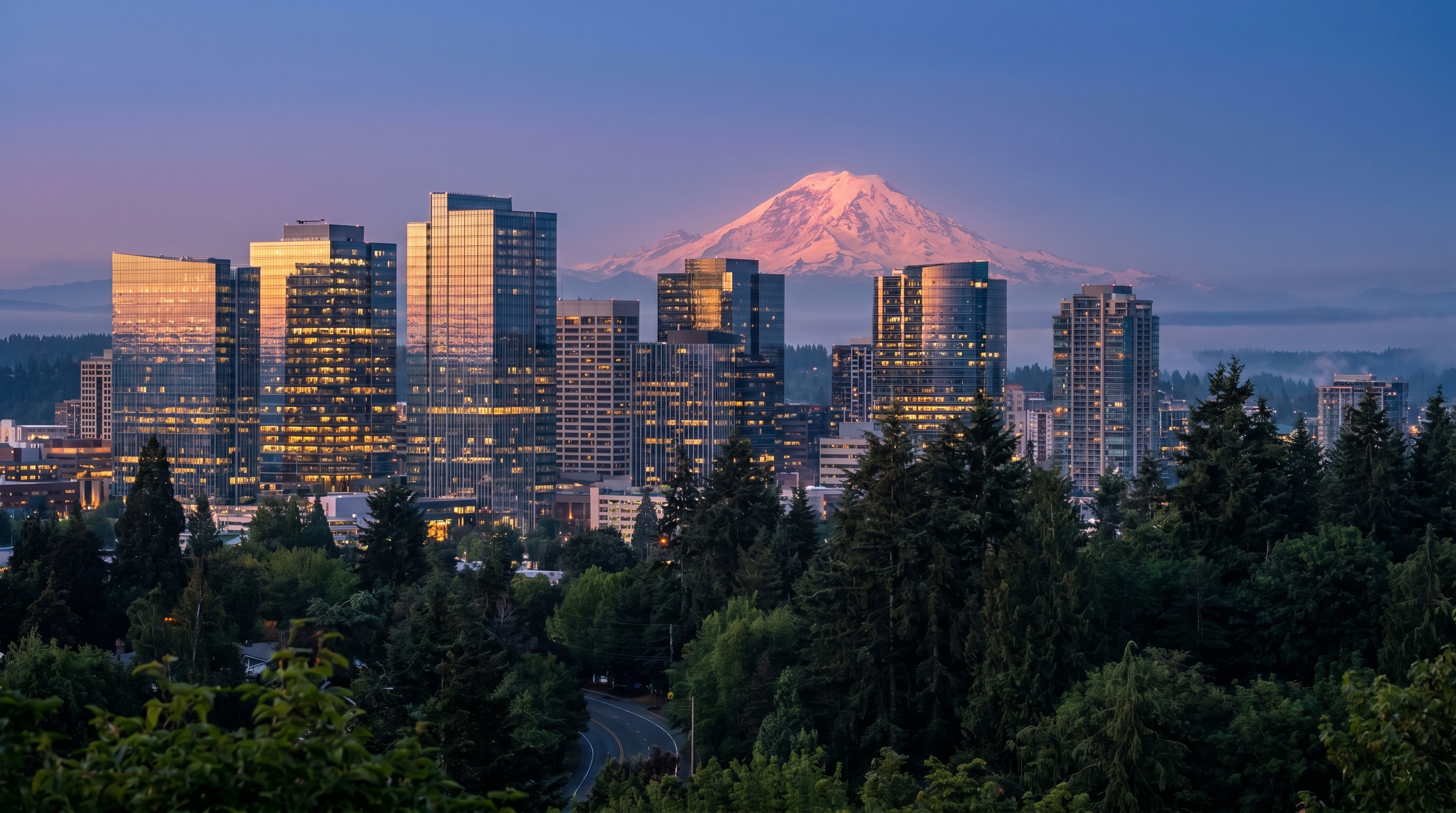
We'll draft, record, or clear the easement so it holds up to the next title search.
Oseran Hahn P.S. · 11225 SE 6th St, Suite 100 · Bellevue, WA 98004
This content is provided for general informational purposes only and does not constitute legal advice. Viewing this page does not create an attorney-client relationship.