Catastrophic Injuries
A catastrophic injury changes the rest of someone's life, and the claim has to be valued for all of it, not just today's bills. We're catastrophic injury attorneys in Bellevue, and we represent people with spinal cord injuries, traumatic brain injuries, amputations, and severe burns, building each case around a lifetime of care and lost earning power.
Talk to an attorneyFounded
1965
Attorneys
11
AV-rated
Martindale-Hubbell
Office
Bellevue, WA
Founded
1965
Attorneys
4
AV-rated
Martindale-Hubbell
Office
Bellevue, WA
Catastrophic injury attorneys for Bellevue and Seattle injury clients
Oseran Hahn represents people whose injuries are permanent and life-altering: a spinal cord injury that leaves someone paralyzed, a brain injury that changes who someone is, an amputation, a severe burn. A few months of treatment doesn't begin to cover these cases. They involve decades of medical care, lost earning capacity, home and vehicle modifications, and the cost of a life that looks nothing like the one before the injury. We build the full damages picture with the medical and economic experts these cases require, and we don't settle until that picture is complete. The first conversation is free.
A catastrophic case turns on the size and certainty of future damages as much as on proving the other side was careless. We identify what makes the injury permanent and what it will demand over a lifetime; we build the life-care plan and project the future losses with the right experts; we put the full measure of damages in front of a jury, which Washington does not cap; we trace every defendant and insurance layer that can fund a recovery this large; and we prove liability and hold off the comparative-fault argument defendants use to shrink the number.
What makes an injury catastrophic
Some injuries heal; a catastrophic injury redefines a life. Spinal cord injuries and paralysis, moderate to severe traumatic brain injuries (TBI), amputations, severe burns, and multiple-trauma cases share a common feature: the harm is permanent, and the costs run for decades. The legal work is different because the damages are different. A broken arm is a known quantity, but a brain injury at thirty has to account for fifty years of care, lost career, and diminished independence. We approach these files as lifetime cases from the first day.
Building the life-care plan and future damages
The heart of a catastrophic case is the life-care plan: a detailed, costed projection of everything the injury will require over a lifetime, from surgeries and therapy to equipment, attendant care, medication, and home and vehicle modification. We work with treating physicians, life-care planners, vocational experts, and economists to build it and reduce future costs to present value the way the law requires. Done right, the plan turns an abstract serious injury into a number a jury can stand behind.
The full measure of damages, with no cap
Washington lets a jury award the full measure of harm. Economic damages cover medical care, future treatment, and lost earning capacity; noneconomic damages cover pain, disability, disfigurement, and the loss of life's enjoyment. Washington does not cap noneconomic damages: in Sofie v. Fibreboard Corp., 112 Wn.2d 636 (1989), the Supreme Court struck down the statutory cap at RCW 4.56.250 as a violation of the right to a jury trial. Families also recover for their own losses, including a spouse's or child's loss of consortium under cases like Ueland v. Reynolds Metals Co., 103 Wn.2d 131, and a parent's claim under RCW 4.24.010.
Finding every source of recovery
A lifetime of damages can exceed any single policy, so part of the work is finding every source that can pay. We identify all the potentially liable parties, not just the obvious one, and map every layer of coverage: primary policies, excess and umbrella coverage, employer or commercial policies, and the injured person's own underinsured-motorist coverage where it applies. In catastrophic cases the difference between one defendant and three, or one policy and a stack, often decides whether the recovery actually covers the life-care plan.
Proving liability and protecting the number
None of the damages work matters without liability, and defendants in large-exposure cases fight hard on both. We prove fault with accident reconstruction, the physical evidence, and the experts who can explain how the injury happened. Then we defend the damages from the comparative-fault argument every defendant raises to shrink the award; under RCW 4.22.005 your recovery is reduced only by your own share of fault, not erased. Most claims must be filed within three years under RCW 4.16.080, and the early investigation is what protects both liability and value.
Insurers keep track of which firms prepare a file like it's headed to a jury and which ones take the first offer. We're in the first group, and it changes what your claim is worth.
You pay nothing unless we recover.
We handle injury cases on a contingency fee. The consultation is free, we advance the costs of building the case, and our fee comes out of the recovery, not your pocket. If there's no recovery, you owe no attorney fee.
Built for trial, which is why most settle.
Every file is prepared as if a jury will see it: evidence preserved, experts lined up, damages documented. That preparation is exactly why the other side settles, and settles higher. The firm's trial group has been in Washington courtrooms for decades.
Senior attorneys, straight talk.
You work with experienced attorneys, not a rotating case manager, and you'll get an honest read on your claim, including when a case isn't worth bringing. Communication is steady and in plain language, so you always know where things stand.
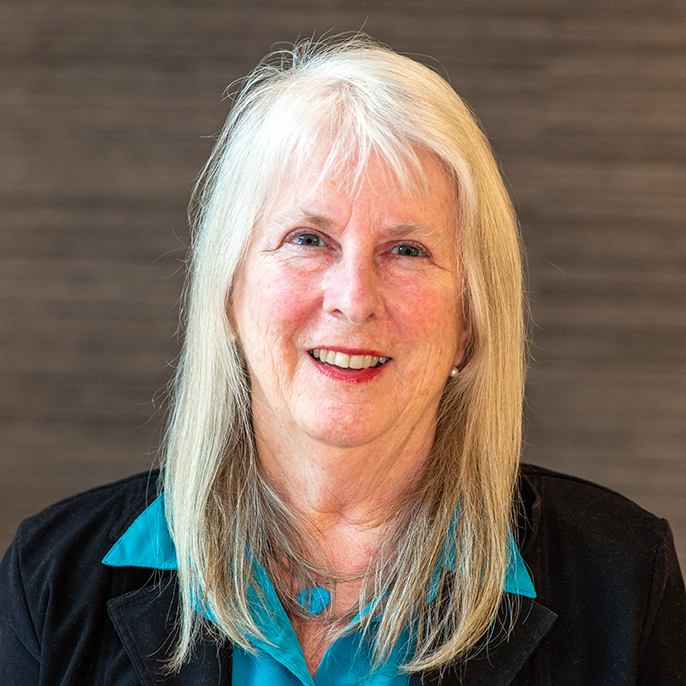
The attorneys behindthe work.
Our business and corporate attorneys handle this work alongside our litigation team, so you have coverage whether your matter stays transactional or becomes something more.






What clientsask us first.
What counts as a catastrophic injury?
A catastrophic injury is one that permanently changes how a person lives and works: spinal-cord injuries, moderate to severe traumatic brain injuries, amputations, severe burns, and serious multiple trauma. The label matters because the damages run for a lifetime, which is what sets these cases apart from ordinary injury claims.
How is a catastrophic case valued differently?
By the future, not just the past. We build a life-care plan with physicians, life-care planners, vocational experts, and economists that projects decades of medical care, equipment, attendant care, and lost earning capacity, then reduce it to present value. The bills already paid are usually the smallest part of the claim.
Does Washington cap pain-and-suffering damages?
No. Washington does not cap noneconomic damages like pain, disability, and loss of enjoyment of life. The Supreme Court struck down the statutory cap in Sofie v. Fibreboard Corp., so a jury can award the full measure of harm a catastrophic injury causes.
How much does a catastrophic injury attorney cost?
Nothing up front. We take catastrophic cases on a contingency fee, which means our fee is a percentage of the recovery, set out in your fee agreement, and owed only if we recover. We also advance the substantial costs these cases require, including the medical and economic experts who build the life-care plan. If there's no recovery, you owe no attorney fee.
How long do I have to file a catastrophic injury claim in Washington?
Generally three years from the injury under RCW 4.16.080. Claims against a government entity, such as a city, county, or the state, add a step. A formal claim has to be filed with the agency, and a waiting period has to pass, before a lawsuit can start. Catastrophic cases need a long runway to develop the medical and damages evidence, so the sooner we start, the stronger the result.
Recentarticles.
Tell us what happened. The consultation is free, and an attorney from our personal-injury group will follow up with you.
Oseran Hahn P.S. · 11225 SE 6th St, Suite 100 · Bellevue, WA 98004
This content is provided for general informational purposes only and does not constitute legal advice. Viewing this page does not create an attorney-client relationship.