Personal-Injury Trial Practice
When an injury case can't be settled fairly, it has to be tried, and insurers know which firms are actually willing to do it. Our trial group takes personal-injury cases through pleadings, discovery, and a Washington jury, and that willingness is what drives the strongest settlements too.
Talk to an attorneyFounded
1965
Attorneys
11
AV-rated
Martindale-Hubbell
Office
Bellevue, WA
Founded
1965
Attorneys
4
AV-rated
Martindale-Hubbell
Office
Bellevue, WA
Personal injury trial attorneys for Bellevue and Seattle injury clients
Oseran Hahn tries personal-injury cases. Most claims settle, but the ones that settle for full value do so because the other side believes the case will go in front of a jury, and our trial group makes that believable. We handle the whole litigation: the complaint, the discovery that builds the proof, the motions that shape the case, and the trial itself, with senior litigators in the chair rather than handing the file off. The same preparation that wins a verdict is what moves a fair settlement. The first conversation is free.
A personal-injury lawsuit moves through a defined sequence, and preparation at each stage decides the result. We file the complaint in the right court before the deadline runs; we run the discovery that turns a claim into proof and handle the defense medical exam; we meet the defense motions and use mediation or arbitration where it serves you; we try the case to a Washington jury when the offer isn't fair; and we carry it through verdict, judgment, and any appeal.
Filing the lawsuit
A lawsuit starts with the complaint, and getting it right and on time matters. Most personal-injury claims must be filed within three years under RCW 4.16.080, and the case has to be brought in a proper venue under RCW 4.12.025, usually where the defendant resides or the injury happened. We name the right defendants, plead the claims that fit the facts, and serve them properly, because a misstep at filing can cost the case before it's heard.
Discovery: turning a claim into proof
Discovery is where a case is won. Under the civil rules, CR 26 through 37, both sides exchange documents, answer written questions, and take depositions under oath, and we use that process to lock in the defense's witnesses and surface what they'd rather not produce. The defense is also entitled to have you examined by its own doctor under CR 35, and we prepare you for that exam and hold it to its limits. The record we build here is what the settlement value and the trial both rest on.
Motions and mediation
Before trial, the defense will usually try to narrow or dismiss the case by motion, including summary judgment under CR 56, and we answer those with the evidence discovery produced. Most cases also go through a settlement effort, whether private mediation or, for smaller claims, mandatory arbitration under RCW 7.06. We use those processes when they can resolve the case fairly and treat them as preparation for trial when they can't.
Trial: the case in front of a jury
When the offer doesn't reflect the harm, we try the case. Washington guarantees the right to a jury trial under Article I, section 21 of the State Constitution, and we present the liability and damages evidence to that jury directly, with senior litigators trying the case. The defense will argue comparative fault under RCW 4.22.005 to shrink the award; we answer it with the proof. A case actually prepared for trial is also the one that commands the best settlement.
Verdict, judgment, and appeal
A verdict isn't quite the end. We reduce it to a judgment, address the post-trial motions the defense files, and pursue collection so the judgment becomes money in your hands. If the defense appeals, or if an error at trial warrants it, we handle the appeal. Throughout, the firm's decades in Washington courtrooms mean the case is built from day one to withstand every stage, which is exactly why most of our cases never need all of them.
Insurers keep track of which firms prepare a file like it's headed to a jury and which ones take the first offer. We're in the first group, and it changes what your claim is worth.
You pay nothing unless we recover.
We handle injury cases on a contingency fee. The consultation is free, we advance the costs of building the case, and our fee comes out of the recovery, not your pocket. If there's no recovery, you owe no attorney fee.
Built for trial, which is why most settle.
Every file is prepared as if a jury will see it: evidence preserved, experts lined up, damages documented. That preparation is exactly why the other side settles, and settles higher. The firm's trial group has been in Washington courtrooms for decades.
Senior attorneys, straight talk.
You work with experienced attorneys, not a rotating case manager, and you'll get an honest read on your claim, including when a case isn't worth bringing. Communication is steady and in plain language, so you always know where things stand.
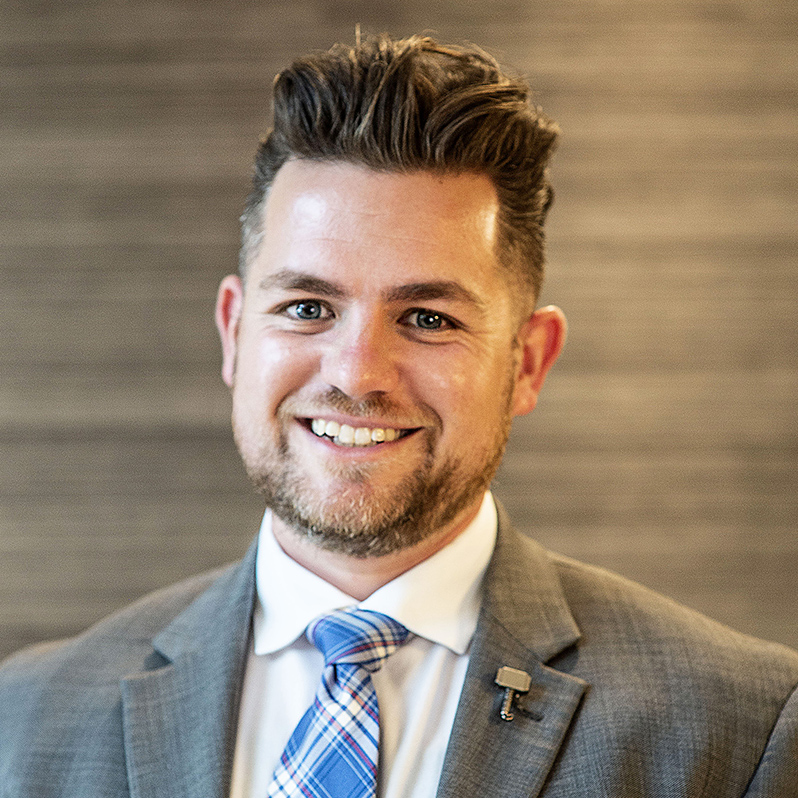
The attorneys behindthe work.
Our business and corporate attorneys handle this work alongside our litigation team, so you have coverage whether your matter stays transactional or becomes something more.






What clientsask us first.
Will my case actually go to trial?
Most don't, but we prepare every case as if it will. Insurers settle cases for full value when they believe the firm will actually try them, so trial-readiness is what produces the strongest settlements. If a fair offer never comes, our trial group is ready to put the case in front of a jury.
How long does a personal-injury lawsuit take?
Usually one to three years once suit is filed. The pace depends on the court's calendar, the complexity of the injuries and liability, and how hard the defense litigates. We don't rush it at the expense of value, but we don't let it drift either, and we keep you informed at each stage.
What is the defense medical exam?
Under civil rule CR 35, the defense can have you examined by a doctor of its choosing, often called an independent medical exam, though the doctor is hired by the defense. We prepare you for it, attend to its limits, and counter a slanted report with your treating providers' records and testimony.
What does it cost to take my case to trial?
Nothing up front. We take injury cases to trial on a contingency fee and advance the litigation costs, including court fees, depositions, and expert witnesses. Our fee comes from the recovery, and if there's no recovery, you owe no attorney fee. Trying a case costs more to prepare, and we carry that cost.
Do I have to file within a deadline even if we're negotiating?
Yes. The filing deadline, generally three years under RCW 4.16.080, runs whether or not you're negotiating, and missing it ends the claim no matter how strong. When talks haven't produced a fair offer as the deadline nears, we file suit to preserve the case rather than gamble on the clock.
Recentarticles.
Tell us what happened. The consultation is free, and an attorney from our personal-injury group will follow up within one business day.
Oseran Hahn P.S. · 11225 SE 6th St, Suite 100 · Bellevue, WA 98004
This content is provided for general informational purposes only and does not constitute legal advice. Viewing this page does not create an attorney-client relationship.